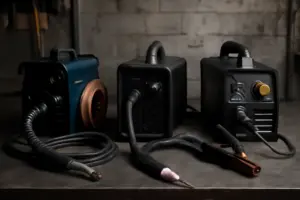
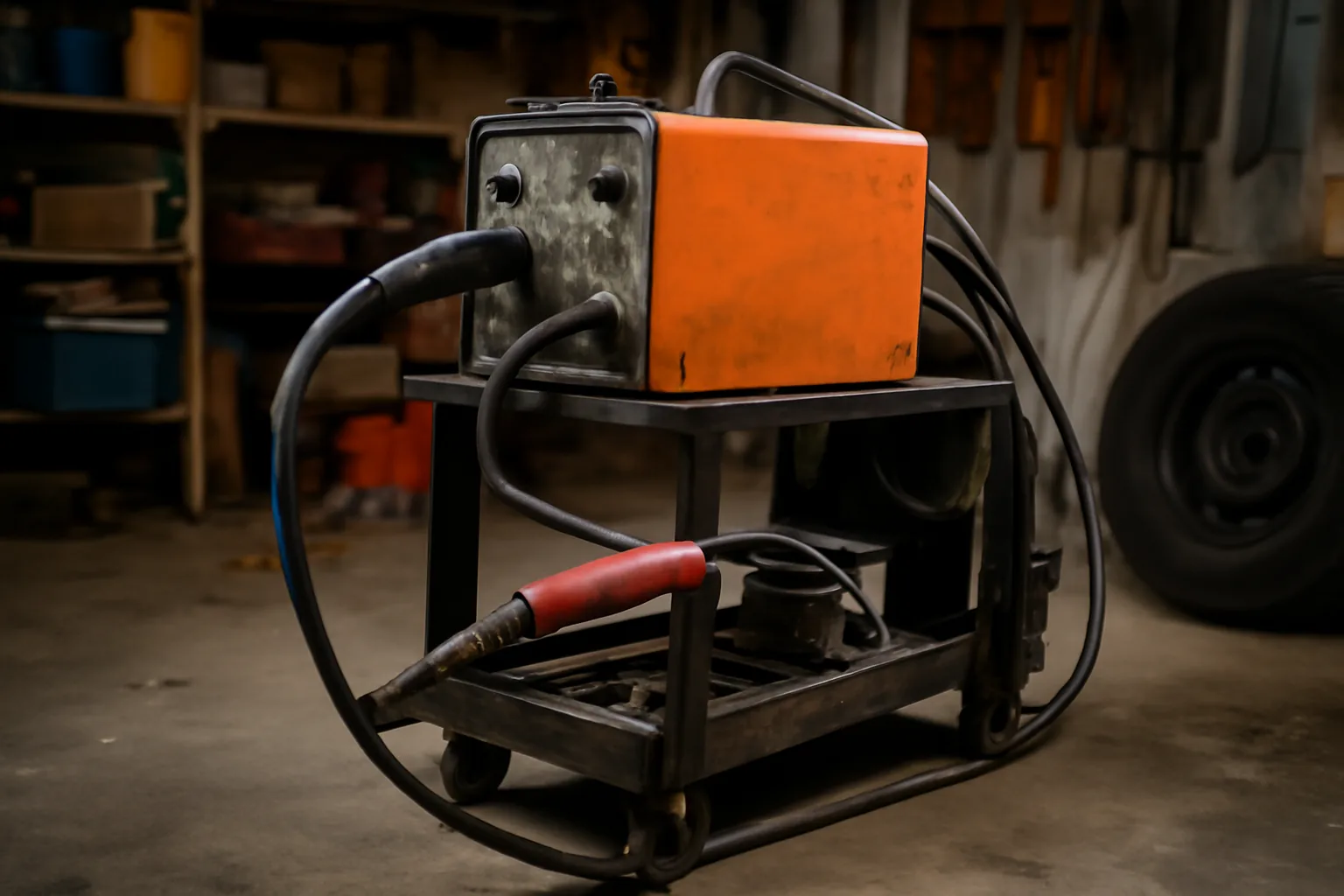

At $110 on sale, I walked out of Harbor Freight thinking I’d grabbed a disposable tool for one quick project. Twelve months of gate repairs, furniture joinery, trailer patches, and one ill-conceived steel sculpture later, that “temporary” machine is still hanging on the wall. If you’re hunting for boots-on-the-ground perspective about running a budget-tier Harbor Freight welder through actual work over a full year, you’re in the right place. I’m not getting paid to endorse anything here—just a guy running a two-car garage shop who’s willing to tell you where a cheap welder shines and where it quietly betrays you.
Harbor Freight’s catalog is genuinely split: some items hold up; others disintegrate within months. Their welders occupy the murky middle ground—which is exactly where the real usefulness question gets answered. After running their flux core model hard for a full year, I’ve got a solid grasp of its genuine strengths and where it consistently falls short.
What follows is an honest annual breakdown—not the rose-tinted first-week honeymoon story. I’ll cover actual job performance, the specific points where it fails, what I’d buy differently today, and a hard lesson learned the tough way. Let’s dig in.
The Projects That Tested This Machine
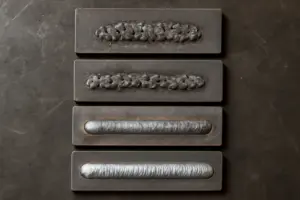
I grabbed their Flux 125 model—a 120V flux core unit—for roughly $110 during a sale cycle. Steel brackets for a workbench became my proving ground. Nothing bearing structural weight, nothing mission-critical. The machine fed wire cleanly through 1/8-inch mild steel, my tacks stayed put, and the bead profile looked respectable. I was cautiously optimistic.
Work demands climbed as word spread. A neighbor needed a gate hinge repair involving 3/16-inch frame material. Two wire spools disappeared chasing stable arc output. The 20% duty cycle cap at 90A became impossible to ignore. Shutdowns kicked in every few minutes like clockwork. One stifling August afternoon, the cooldown stretch ran noticeably past what the spec sheet claimed was normal.
Month four brought the first red flag. Wire advancement turned choppy and unreliable. I’d get pristine delivery for several passes, then the feed would stutter violently, leaving porosity holes and weak fusion throughout. Disassembly revealed the plastic tension arm had cracked under use. At $6 for a replacement part, that’s not expensive—but it signals how aggressively Harbor Freight cuts corners on mechanisms you depend on daily.
What Emerges After Sustained Use: A Year-Long Harbor Freight Welder Assessment
Extended operation exposes truths that early impressions always hide: budget-tier flux core units chew through internal parts and consumables faster than inverter machines at similar price points. Contact tips on my machine burned out every 8–10 hours of welding. That’s not atypical for flux core applications, but finding compatible liners proved tedious because the sizing ran proprietary instead of matching industry standards.
The watershed moment arrived around month eight. Performance degraded noticeably; arc quality sagged on routine mild steel passes, and spatter accumulated thickly around the work area. Opening the housing revealed the internal circulation fan coated in a substantial film of grinding dust and metal particulates. Post-cleaning restored some function, but the underlying problem was architectural: no intake screen or filter cartridge. Inside a garage where an angle grinder runs nearby, that’s a manufacturing blind spot.
I discovered this flaw through frustrated troubleshooting rather than reading warnings. Dust and debris had drifted from my grinding station into the welder’s cooling system without obstruction. Afterward, I fabricated a simple foam screen across the intake port and shifted the welder’s location. The situation improved—but that’s a workaround I shouldn’t have had to engineer on equipment sold as ready-to-use.
Thermal Limits and Continuous Running Capacity
That 20% duty cycle specification isn’t academic fine print. It governs every serious welding session you attempt. Tacking and intermittent work? Manageable. Sustained continuous beads on heavier stock? Genuinely maddening. Structural code standards like AWS D1.1—which apply to load-bearing joints in professional contexts—demand unbroken arc time and consistent fusion. A machine that thermally locks every three minutes makes code-quality work practically impossible.
From my year running this welder, its comfort zone is 18-gauge through 1/8-inch material welded in short intermittent passes. Push beyond that envelope and the thermal shutdowns erode your saved money faster than the discount justified.
Performance Profile: The 140A Flux Core Unit Under Extended Garage Demands
Operating the same equipment across diverse repair and fabrication work reveals reliability patterns that short-term testing completely misses. A welder failing mid-project is genuinely worse than having no welder available from the start.
Strengths that held up
- Arc remains steady across thin and medium gauge material with minimal adjustment between jobs—set parameters and proceed without constant dial tweaking.
- Wire spool doesn’t bind, slip, or cause feed interruptions even across extended consecutive welding sessions without breaks.
- Thermal management performs adequately when respecting the rated duty cycle; shutdowns don’t occur outside predicted parameters for hobby-scale projects.
Persistent frustrations
- The ground clamp interface feels flimsy and loosens progressively; checking connection tightness before work has become mandatory ritual rather than occasional precaution.
- The instruction manual is skeletal and occasionally inaccurate, forcing operator discovery through hands-on experimentation rather than guided instruction.
About six months in, I had that moment where the machine started spitting and popping on a gate frame repair and I thought I’d finally killed it—turned out the wire had oxidized in the spool from humidity, not the welder itself. If you’re serious about sticking with budget equipment, grab the WELDPRO 140A MIG Welder and keep your consumables and connections maintained.
This post contains affiliate links. As an Amazon Associate, I earn from qualifying purchases at no extra cost to you.
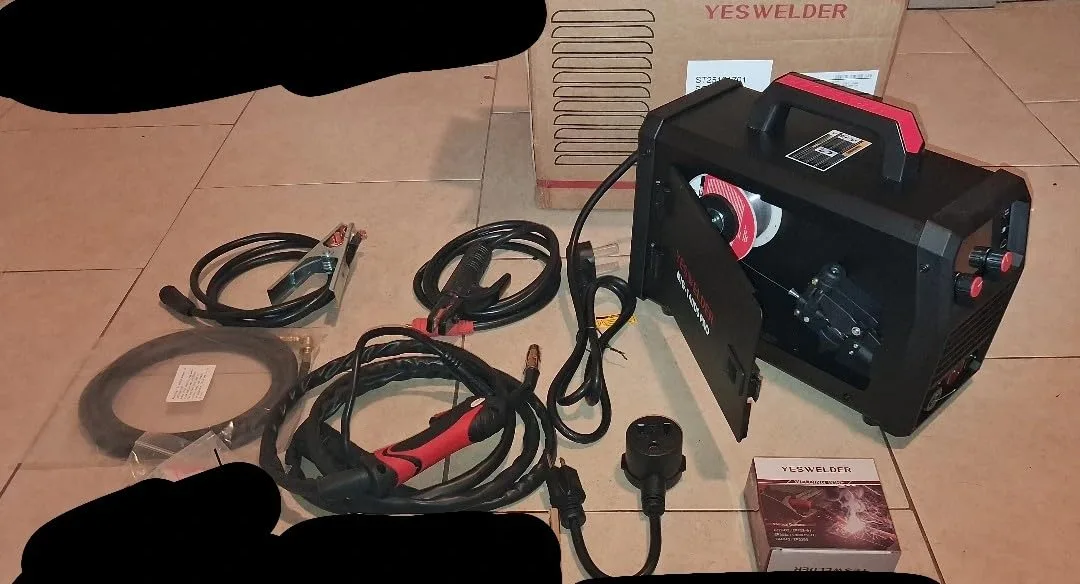
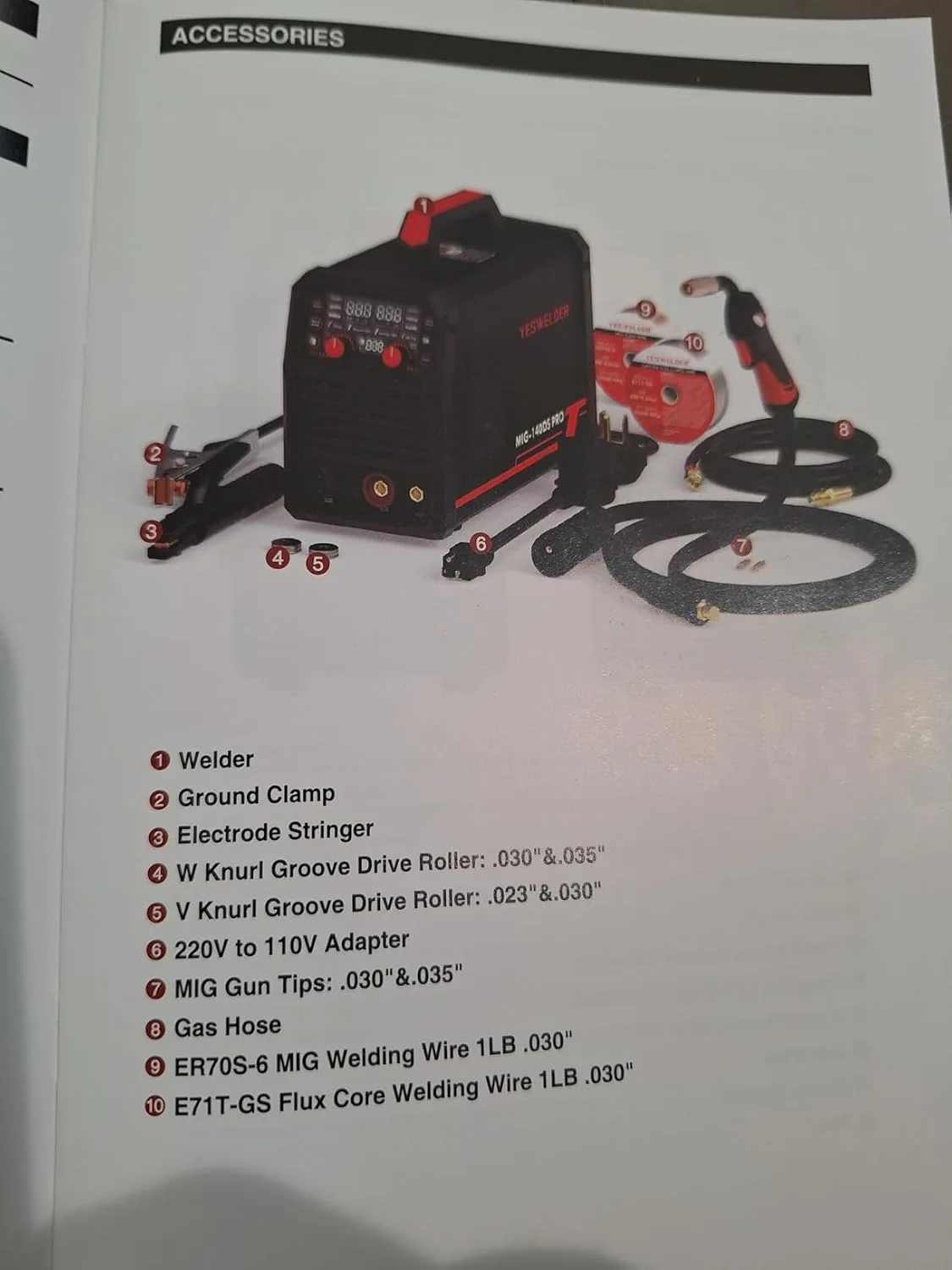
WELDPRO 140A MIG Welder
I stopped fighting with wire jams and temperature shutdowns once I switched to this one.
Check Price on Amazon →