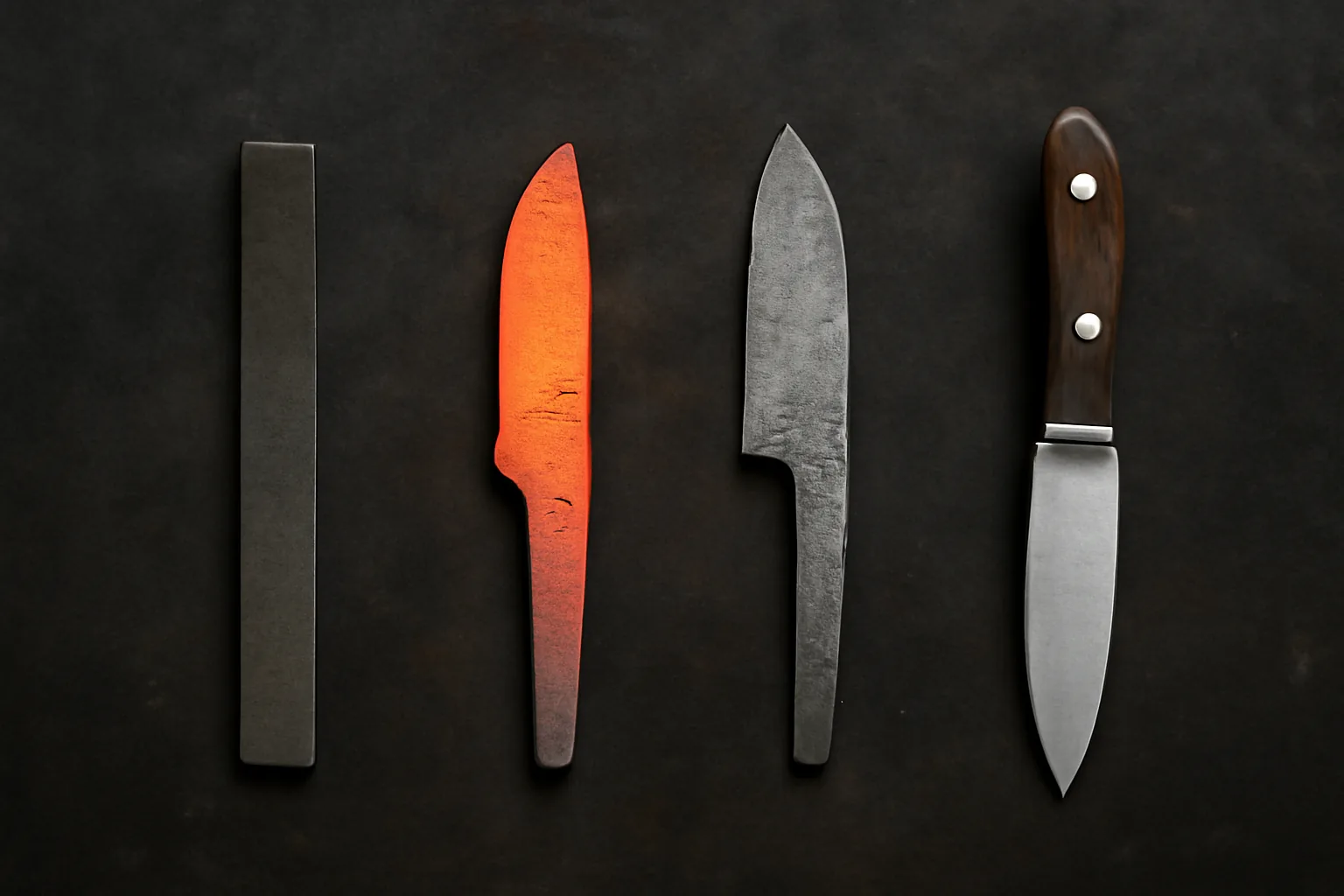

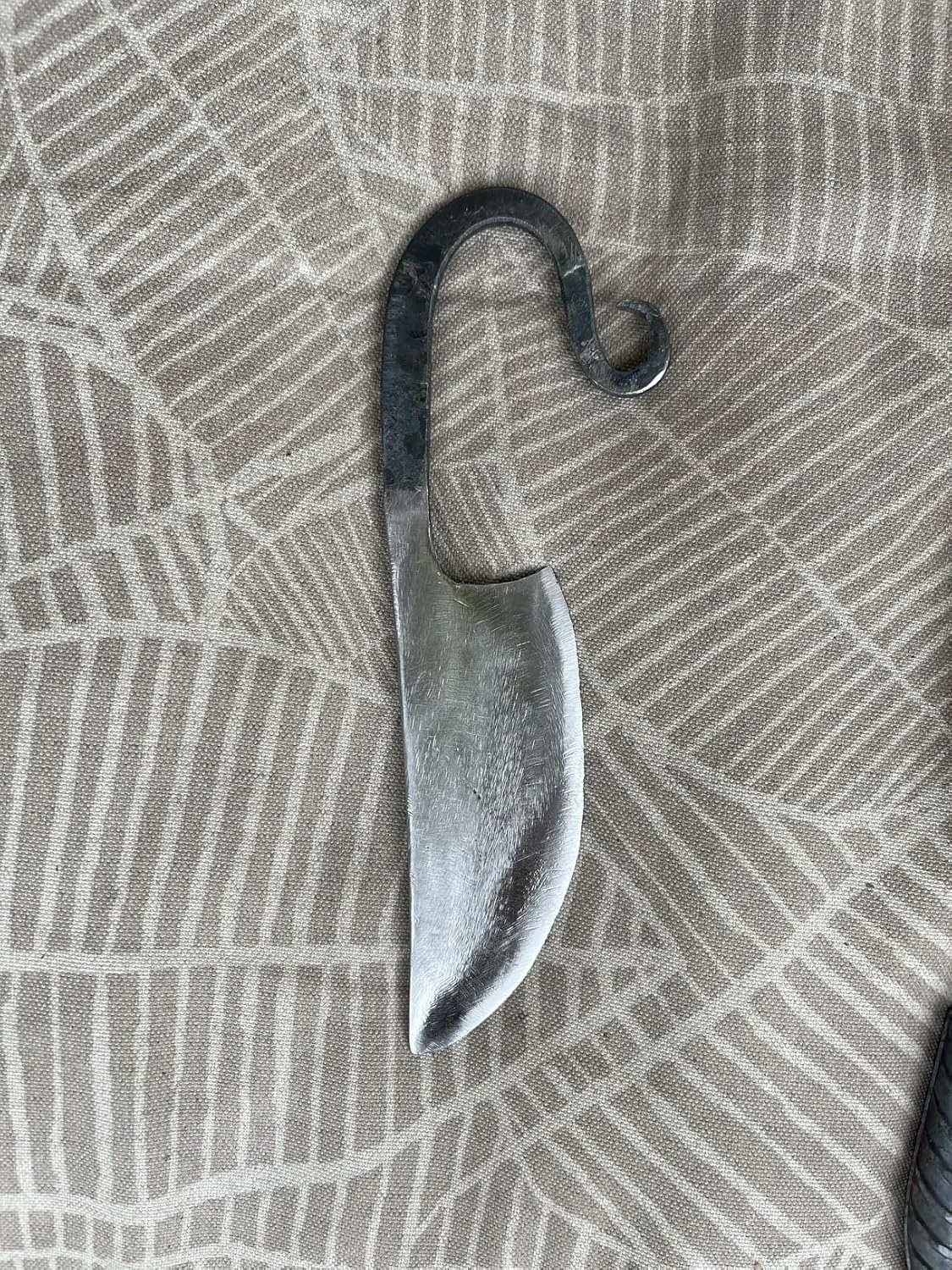
Popular wisdom suggests that file steel makes a poor knife blank — too brittle, too unpredictable, not worth the effort. That’s backwards. In reality, most mill bastard files contain exactly the carbon percentage and alloy balance that bladesmiths have chased for centuries. My first three attempts went sideways not because the material failed, but because I didn’t respect what decarbonization does to a heated surface, couldn’t read steel color by eye, and treated every piece of steel like it had identical properties. Those early missteps ate six hours and left me singed. Yet here’s the reality worth knowing: transforming a discarded file into a functional blade ranks among the most forgiving entry points into blacksmithing. The carbon content is already dialed in. The original form eliminates raw stock waste. Files materialize constantly at auctions and estate lots, costing pocket change.
I’ve completed more than thirty blade projects using salvaged files throughout my garage operation. Results ranged from genuinely impressive pieces to expensive tutorials in what not to repeat. My intention here is to guide you through every stage — sourcing material, initial heat and hammer work, grinding the geometry, then executing proper hardness and temper cycles — ensuring you sidestep the costly learning curve and jump straight into rewarding work. Zero marketing speak, zero assumptions that you’ll “just figure it out.” Concrete procedures, specific measurements, documented mistakes that I’ve already weathered.
Why Vintage Files Deliver Blade-Grade Steel
The composition of standard mill files typically lands at W1 or W2 classification, hovering in the 1.0% to 1.25% carbon range. That spectrum represents genuinely outstanding blade material. It responds to hardening with consistency, maintains edge retention capably, and behaves predictably when exposed to controlled heating — provided you know how to read it. Nicholson, Simonds, and vintage domestic manufacturers stand out as particularly trustworthy sources. My preferred hunting ground is pre-1980 American stock spotted at auctions and personal estate liquidations. Pricing usually sits between one and five dollars per piece.
The file’s cutting pattern across its working face serves double duty. Visually, it documents how much stock you’ve compressed during each forging session and confirms when hammering has achieved flatness. That same textured surface carries a hidden liability worth taking seriously: surface decarb. Extended time in oxygen-rich conditions and years of handling have stripped the outer layer of carbon atoms from the file’s perimeter. Removing that compromised skin becomes a critical early step in your forging sequence. The detailed procedure appears further down in the striking section.
Before igniting your forge with any file candidate in mind, observe this non-negotiable rule: reject any file showing evidence of brazing joints, internal fractures, or properties consistent with cast metallurgy instead of hardened steel. Conduct a spark examination. Authentic high-carbon material releases bright, feathery spark trails with pronounced splintering characteristics. Cast compositions generate sparse, dull spark signatures lacking branching detail. Material that registers as cast iron gets discarded immediately. The hazard of structural failure under hammer impact simply isn’t justifiable.
Gear and Infrastructure You Require to Succeed
Launching into file-to-blade work demands neither industrial facilities nor six-figure equipment investments. When I started out, assembling a functional two-car garage smithy required under eight hundred dollars in combined expenditure across forge, anvil, and striking tools. Here’s the breakdown of what delivers genuine necessity versus what enhances your operation down the line.
Core Requirements
- Propane heating forge — minimum sustained output of 2,300°F
- Steel anvil surface — even entry-level fifty-five pound units handle file forging adequately
- Cross-peen striking tool in the 2–3 lb range — necessary for blade taper formation
- Gripping apparatus sized to flat-stock geometry — basic bolt tongs manage most files
- Rotary grinding platform with abrasive rollers — 40-grit and 80-grit surfaces for shaping
- Quenching vessel filled with liquid medium — supports normalization cycles and final hardening stages
- Insulating materials or shelving for elevated-temperature tempering — ceramic composition withstands kitchen oven conditions
When addressing ocular protection, prioritize a complete facial coverage shield engineered for abrasive operations—basic lens guards prove inadequate. During forge sessions, optical elements with shade 3–5 infrared filtering capacity safeguard retinas from thermal radiation during extended heating exposure. Compliance with ANSI Z87.1 specifications should be your baseline standard. This isn’t optional. My initial four weeks involved standard industrial safety glasses, and I dismissed growing eye strain as fatigue until an experienced practitioner flagged my inadequate wavelength protection.
Selecting a Heat Chamber That Maintains Consistent Temperature
Transforming file stock into finished blade steel requires precise thermal management — guesswork with a single-burner chamber wastes material and teaches failure instead of technique. A chamber with dual independent ignition sources distributes heat uniformly across the entire file length, eliminating temperature inconsistencies.
Advantages of this configuration
- Segregated burner control permits selective heating of the blade section alone or the complete stock without risking thermal overshoot and unrecoverable discoloration.
- The chamber maintains adequate temperature retention so forging cycles proceed without multi-minute delays between hammer sequences waiting for material to reheat.
- Liquid fuel combustion sidesteps particulate contamination, eliminates recurring substrate maintenance, and permits clear observation of work without navigating smoke interference.
Associated drawbacks
- Internal refractory surfaces develop failure points when subjected to rapid cooling cycles (immersing heated steel near the opening), with replacement components presenting supply and cost complications.
- Fuel consumption scales with production frequency — establish a budget accounting for regular tank replenishment if producing multiple blades monthly, and maintain backup tank reserves to prevent mid-session depletion.
I almost sent a file into the refractory floor the second time around because I wasn’t managing burner timing, and this forge’s dual-zone capability saved me from that mistake. If you’re serious about forging knife steel without wasting material, grab a VEVOR Portable 2 Burner Propane Forge.
This post contains affiliate links. As an Amazon Associate, I earn from qualifying purchases at no extra cost to you.
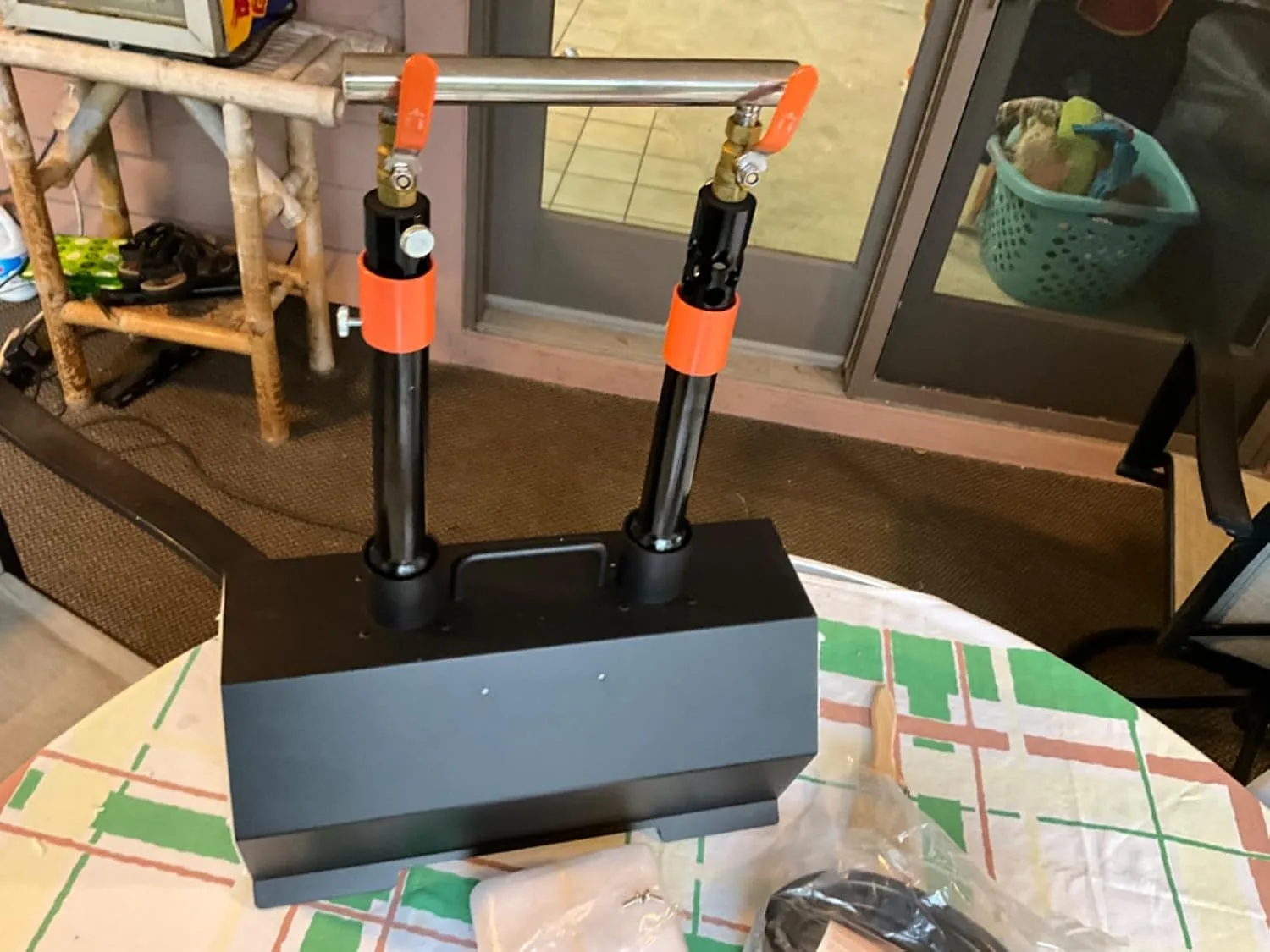
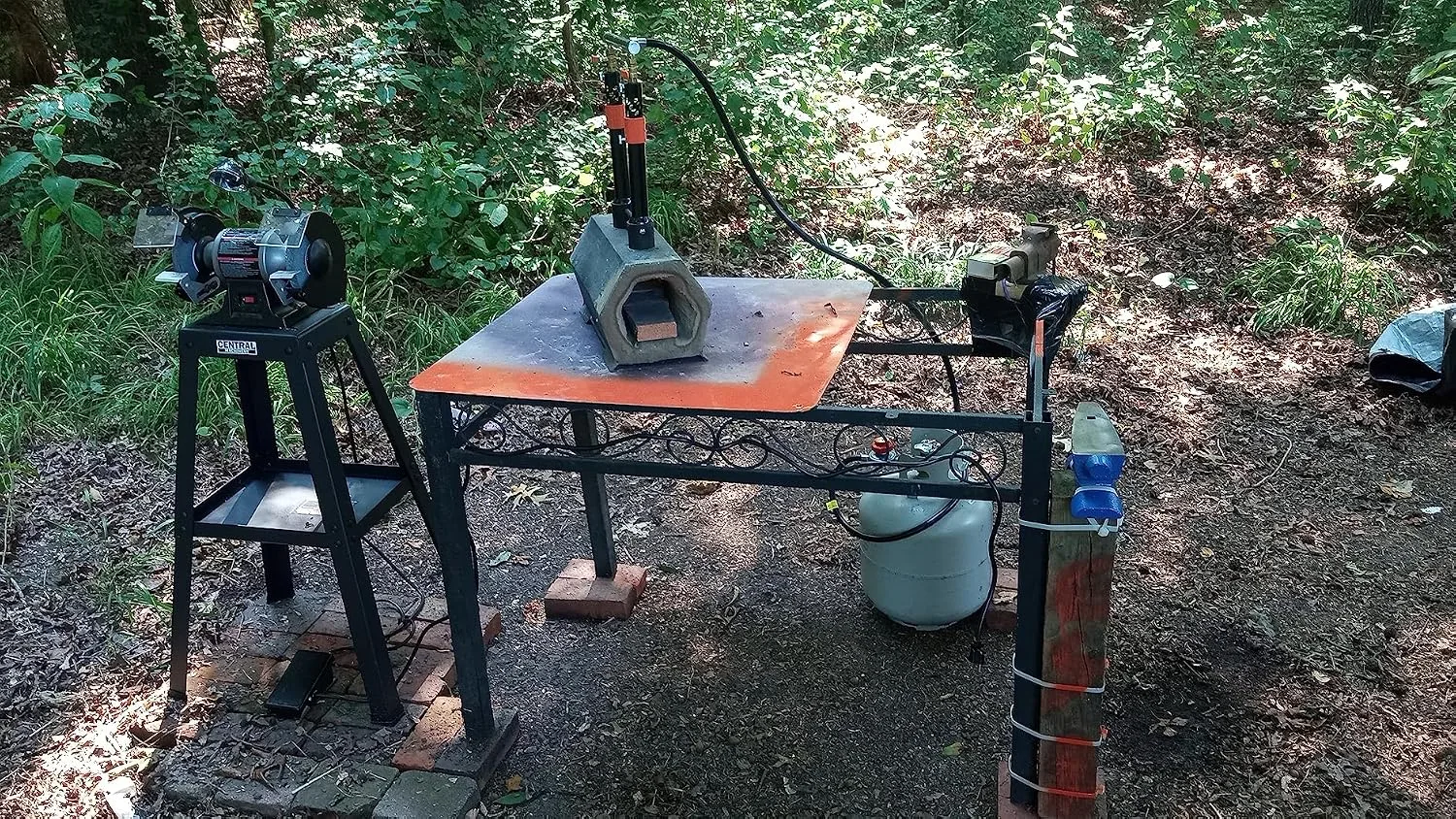
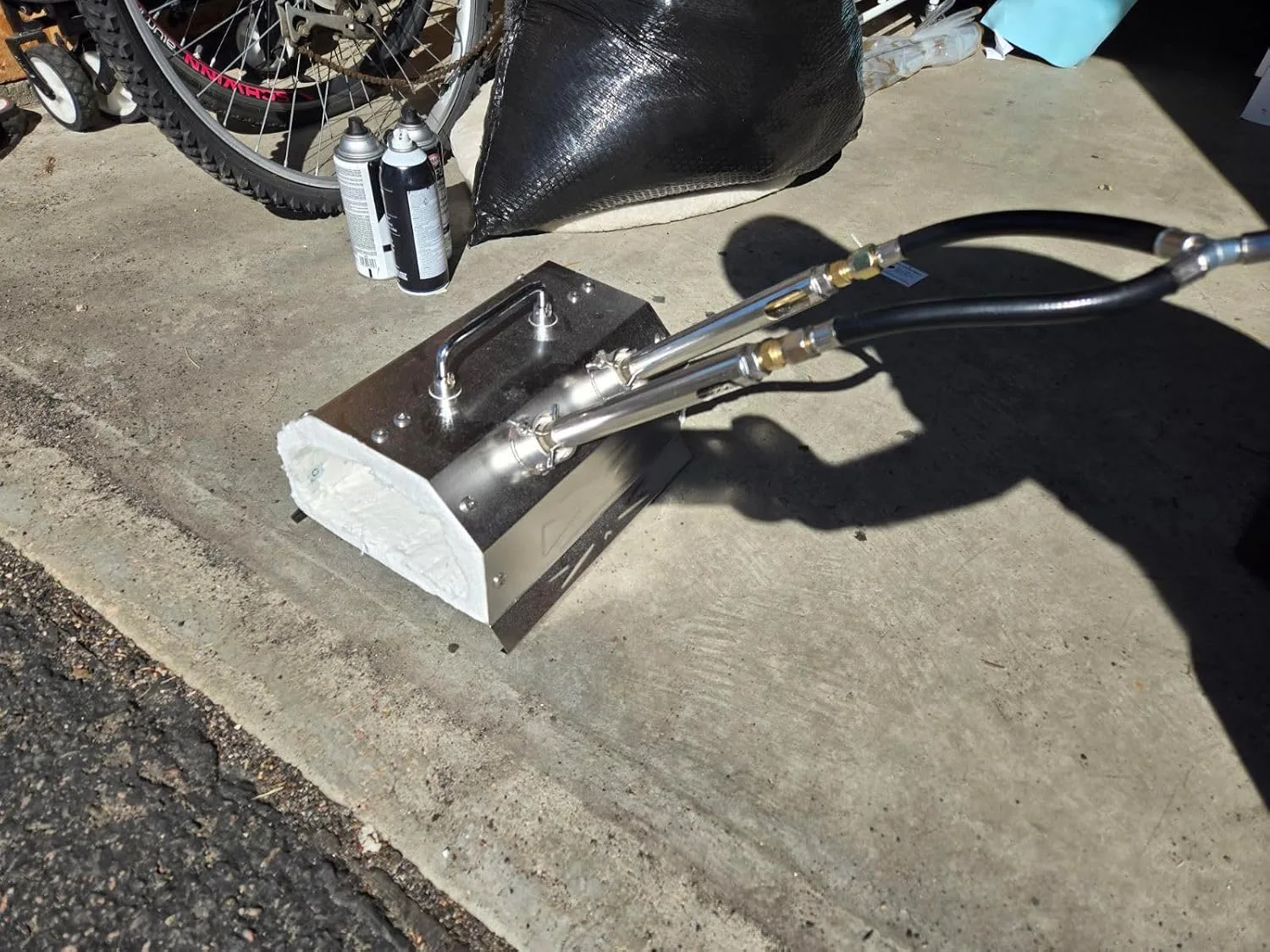
VEVOR Portable 2 Burner Propane Forge
I stopped babysitting the temperature and waiting between hammer strikes when I switched to this.
Check Price on Amazon →