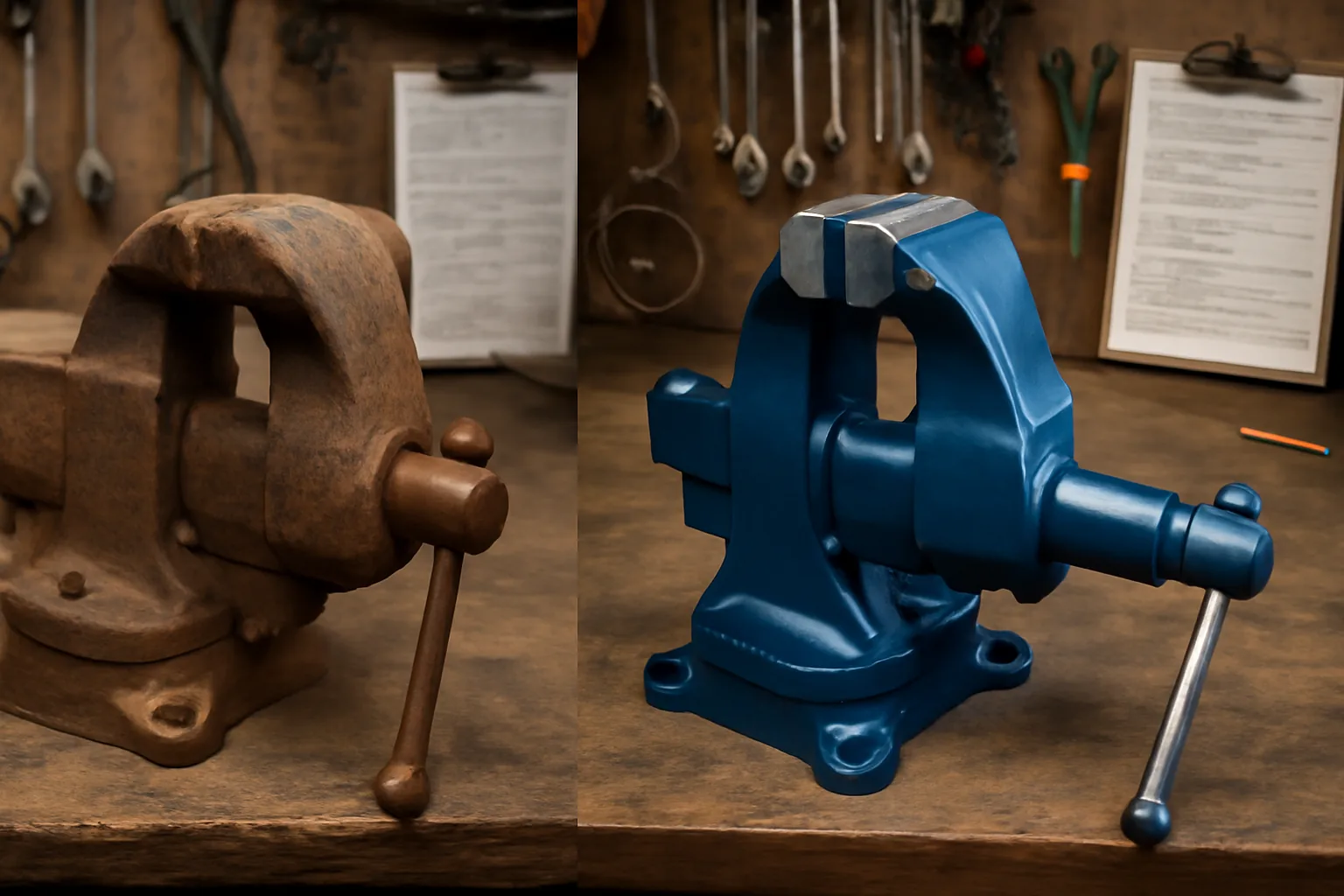

During last January, my garage temperature dropped enough that I realized something I’d overlooked for years: a crusty bench vise buried under sawdust and old rags actually worked better than the shiny one hanging next to it. That discovery came from pulling it out to use for a quick metal job, and when I finally scrubbed off the worst of the grime, the screw turned smooth, the jaws held tight, and the whole thing felt engineered rather than stamped. It cost me $8 at an estate cleanup. My neighbor said to leave it there. Instead, I spent one weekend on it. That same vise now anchors my main bench and outperforms a $200 catalog purchase from two years back. Restoring a rusty bench vise turns out to be far less mystifying than people assume — and the payoff hits different than anything store-bought ever delivers.
The biggest misunderstanding I encounter repeatedly comes down to this: surface corrosion gets mistaken for fundamental structural damage. The reality is nearly opposite. A vise that looks completely trashed on the surface usually has solid mechanics underneath. Cast iron and ductile iron don’t fail easily — they can survive decades, sometimes a full century, of serious shop use. What’s actually happening is oxidation layering itself over gunk and years of sitting unused. All three problems are solvable with the right method and roughly 4 to 6 hours of focused effort split across a weekend or two.
Over the last handful of years, I’ve worked through somewhere north of twenty bench vises. Some stayed in my own setup. Others ended up with buddies or family members. A handful I resold at local tool swaps for anywhere from $60 to $120 after grabbing them for under $15 at auctions. Mistakes happened, shortcuts got tried, and real solutions emerged. This post covers the entire method.
Checking Your Candidate Vise Before Time and Money Get Invested
Invest 10 minutes upfront in honest evaluation. Not every vise sitting in a scrap pile deserves restoration effort. The encouraging part is that most do — particularly the older domestic-made examples from makers such as Wilton, Reed, Columbian, Craftsman, or Fuller. These were manufactured with substantial metal thickness and exacting specs. The effort lands on something worth keeping.
My starting point always centers on that main screw and the nut it threads into. Grip the handle and attempt rotation. Total immobility isn’t disqualifying — penetrating oil typically loosens it within a day. What stops me cold is a severely worn thread or a fractured nut. Once movement begins, run your hand across the screw’s thread profile. Ordinary wear shows up as minor surface damage. Major gouges or missing thread geometry signal a dead-end repair. Replacement screws do exist in the marketplace, but sourcing them eats time and money, particularly for uncommon models.
The second check targets the casting itself for fractures. Pay particular attention to where legs bolt on and around the jaw mounting zones. Hairline splits in cast metal can go under the torch, but that’s pro-level work. Stick with unblemished examples for your opening attempts. Finally, test the swivel mechanism for locked-up motion and the slide bar for binding or excessive play. Binding on the slide usually disappears with thorough cleaning rather than requiring component swap-out.
Breaking Everything Down and Stripping Away Oxidation: The Engine of Vise Reclamation
Complete breakdown into individual components is mandatory, no exceptions. I realized this the hard way during my opening vise work when I attempted cleaning it whole — four wasted hours and underwhelming output followed. Separate the jaw plates, the turning handle, the pressure spring, the traveling bar, and the rotational base. Spread every piece across your work surface and snap a photograph documenting the assembly layout before sequence details evaporate from memory.
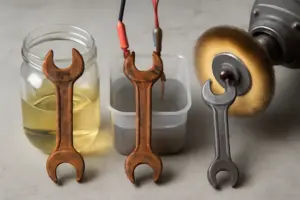
My derusting operates in dual phases. First comes the mechanical attack: an angle grinder fitted with a wire cup wheel eliminates thick corrosion scale in moments. Follow this with a 120-grit flap wheel to refine the surface. For smaller bits and confined areas, a power drill with a wire brush does adequate work. Use a full-coverage face shield during this step — safety glasses alone won’t cut it. Wire fragments detach and travel at velocity. I discovered this painfully when a bristle lodged millimeters from my left eye. Without exception, full face coverage every session.
The second approach is chemical reaction. Smaller components get submerged in Evapo-Rust for an extended soak overnight. It’s aqueous, harmless, and actually delivers on the derusting promise. The main casting body gets a chemical rust converter applied — I depend on Ospho as my standard choice — which transforms remaining oxidation into iron phosphate across approximately 120 minutes. Rinse thoroughly with a wet cloth when done. At this stage the vise reads as clean, uncoated metal. Mission accomplished.
Unlocking a Stuck Main Screw
When the primary screw won’t budge, saturate the threads and connection points with PB Blaster or Kroil and allow it to soak for a full day cycle. Hit it again with a second application at the 12-hour mark if resistance persists. Never attempt forcing rotation using a breaker bar extension before the lubricant has adequate time to penetrate. I learned this through cracking a solid Columbian nut, then hunting for its replacement across nearly two months of searching. Holding back saves both money and aggravation.
Surface Finishing, Paint Application, and Metal Treatment
With bare, moisture-free castings sitting in front of you, time becomes critical. Exposed metal begins corroding anew within hours when the shop environment runs humid. Get primer down before that same day wraps up. Rust-Oleum Clean Metal Primer delivered in gray becomes my foundation. Lay down two coats, spacing them 30 minutes apart. For the finish layer, traditional semi-gloss black delivers the classic appearance and stands up to regular shop contact. On certain restorations I’ve tried hammered-finish varieties — they conceal minor surface blemishes effectively and photograph well on vintage castings.
The threaded main screw, the traveling bar, and any surfaces where parts make contact should never see paint. These get lubricated instead. I rely on anti-seize compound for the thread surfaces and lithium-based grease for the sliding components. Ongoing lubrication maintains easy operation and guards against future binding episodes. A freshly treated acme thread on a reclaimed vise operates noticeably superior to any budget import currently available. That’s measurable engineering, not emotional attachment talking.
The jaw surfaces and the swivel’s contact area stay unpainted or receive only a whisper-thin wax coating at most. Metal-to-metal connection at the jaw faces is essential for reliable clamping function. Paint layered between jaws and workpiece generates slipping and grip inconsistency. Leave these zones clean and bare.
Installing Updated Jaw Plates: Components That Define Performance
Jaw plate replacement gets overlooked in most restoration guides, and that’s a fundamental gap. These plates represent the actual functional contact zone of the whole mechanism. Damaged, corroded, or mismatched surfaces produce substandard gripping — which defeats the entire restoration purpose. Fortunately, most older U.S.-manufactured examples ship with replaceable jaw plates, a feature rarely seen on current low-cost alternatives where jaws form as integrated castings.
I recently restored a mid-century Craftsman vise — 6-inch jaw width, gray painted casting, swivel base — and the original jaw plates were worn smooth and slightly bent from someone using the vise as an impromptu anvil. I replaced them with the JMSMSH 6-1/2″ x 3/4″ Steel Vise Jaws, which are machined to fit many vintage American reversible gray vises, including Craftsman, Fuller, and Columbian models. The fit was tight and correct. Installation took about 15 minutes with a socket set. These are hardened steel, serrated on the working face, and they dropped in like the originals.
Based on countless restorations, fresh jaw plates deliver more noticeable improvement than modifying any other single element. The contact surface transforms from slick and tired to textured and aggressive. For anybody working with domestic vintage designs those JMSMSH jaws mount to, I’d rank them not as an optional enhancement but rather a fundamental restoration component. The investment stays minimal — under $30 currently — while quality meets or exceeds the role it fills.
Considering Protective Jaw Surfaces
Experienced restorers frequently install additional protective jaws — usually aluminum or copper material — that seat atop the factory hardened surfaces when working with delicate or finished items. This approach delivers solid value. I fabricated a set using 1/8″ copper stock that ran approximately $6 total for material expense. They shield polished surfaces and require zero modification to the vise architecture. That kind of thoughtful addition distinguishes a reclaimed vise from many fresh factory units in actual capability.
New Jaw Inserts That Deliver Dependable Clamping Action
When the screw moves freely again and the mechanism operates smoothly, you’ll almost certainly find the factory jaws severely compromised — particularly when the intention involves finished goods or tight-tolerance fabrication where surface defects represent lost time. Upgrading the jaw surfaces solves this directly without requiring full tool replacement.
What delivers results
- Smoothly finished surfaces hold material without unwanted rotation, maintaining solid control under significant clamping force — no more shifting stock when stability matters.
- Steel composition and thickness provide stability and eliminate flexing or vibration during intense tightening against heavy materials.
- Fastener locations correspond precisely; installation completes in under an hour if the underlying vise structure remains intact.
Where limitations appear
- Hardness levels trail the vintage ductile metal — softer composition means dent potential under rough handling, though denting beats fracturing like original castings.
- Jaw width and bolt spacing vary across vise models; confirmation before purchase prevents order problems and return complications.
I almost walked away from the barn sale vise entirely when I realized how badly the original jaws were scored — thought I’d wasted the $8. JMSMSH 6-1/2″ x 3/4″ Steel Vise Jaws gave me a second option that turned the whole project into a win.
This post contains affiliate links. As an Amazon Associate, I earn from qualifying purchases at no extra cost to you.
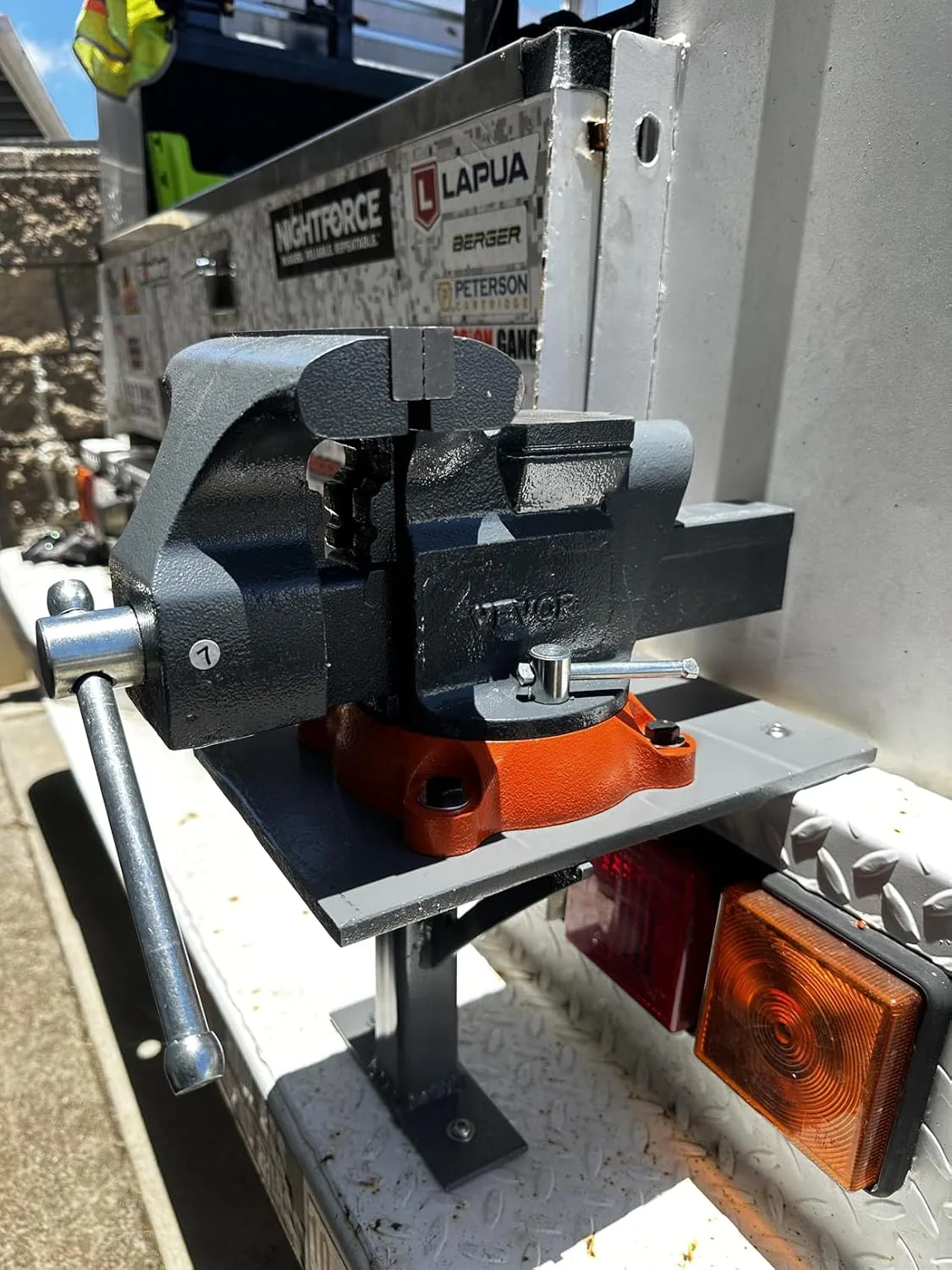
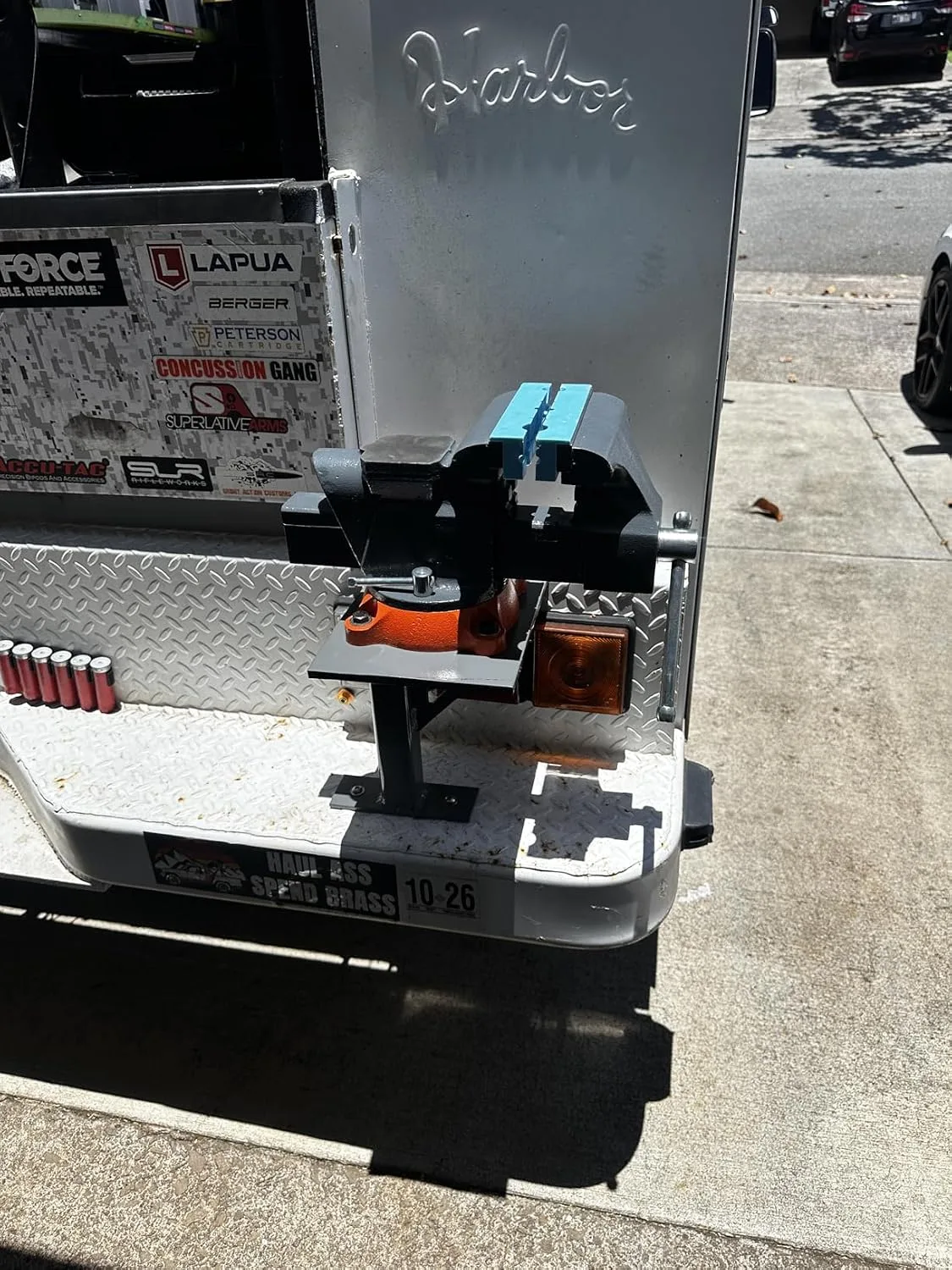
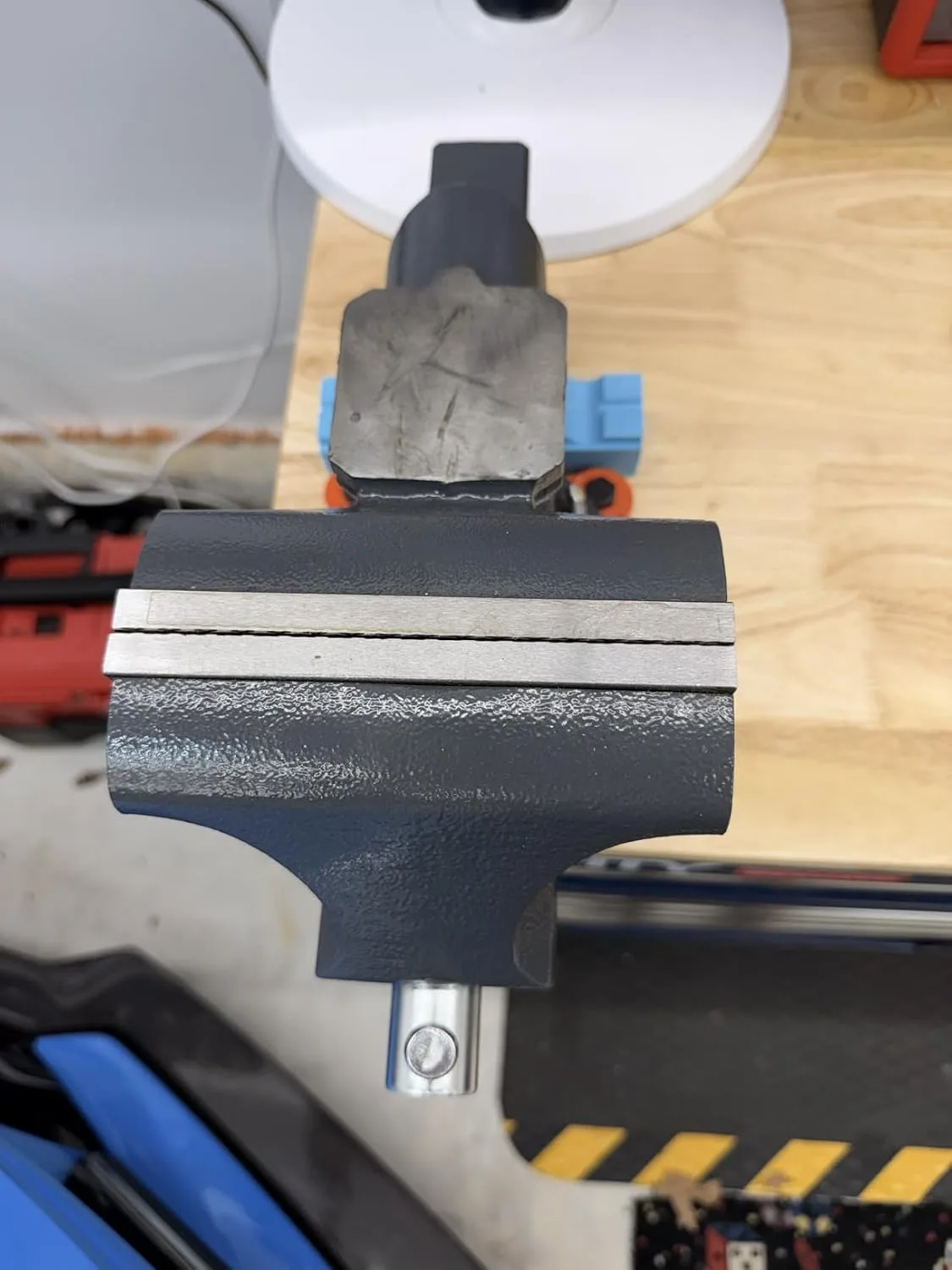
JMSMSH 6-1/2" x 3/4" Steel Vise Jaws
I installed these on my restored vise and haven’t had slipping since, even clamping half-inch steel.
Check Price on Amazon →