Manufacturer documentation won’t mention what happens to cast iron surfaces in a two-car garage with inconsistent climate control and woodworking dust in the air. The spec sheets assume controlled storage. They don’t account for the reality of a hobbyist’s working environment — where your table saw sits next to a door that opens and closes all day, temperature and humidity are constantly shifting, and your cast iron tops are actually being used, not locked behind glass. That gap between “storage conditions” and “real shop conditions” is where rust happens.
The material fact is unforgiving: cast iron oxidizes rapidly. Much more rapidly than the average garage woodworker anticipates, particularly when you’re dealing with seasonal swings and moisture spikes tied to weather patterns. My own shop in central Ohio experiences 60–75% relative humidity for roughly eight months annually. Without an intentional maintenance protocol, my Grizzly G1023RL table saw would accumulate surface rust proliferation by early spring without exception.
What follows is the maintenance strategy I’ve refined through years of experimentation, mistakes, and damaged components along the way. I’ll break down the cleaning steps, how to choose the right products, the mechanics of application, and the frequency that actually keeps rust at bay. Stick with this approach and your cast iron work surfaces will remain free of corrosion, maintain their flatness, and keep their slickness indefinitely.
Why Cast Iron Corrodes So Relentlessly in a Workshop Setting
At the granular level, cast iron is a porous material. Graphite particles are distributed throughout a ferrite structure, unlike solid cold-rolled steel. These graphite particles create microscopic fissures that trap moisture directly against bare ferrous metal. You don’t require visible pooling water to initiate rust formation. Ambient moisture is sufficient to trigger oxidation within hours.
Then there’s the electrochemical angle. Ferrous metal reacts differently when in contact with wood — wood fiber is slightly acidic in nature — and this accelerates oxidation at the surface. Processing freshly milled material (particularly species like ash, which contain natural tannic compounds) means you’re introducing both water vapor and organic acids straight onto your cast surfaces. This one-two combination is exceptionally corrosive. I’ve documented surface rust beginning on an uncoated cast iron jointer table after just one work session preparing newly cut ash lumber.
Temperature fluctuations compound the issue dramatically. As a shop warms from cool morning conditions, moisture precipitates across every metal surface you own — including your machinery. This precipitation phenomenon (dew point condensation) occurs independent of external humidity or precipitation. In my hands-on experience, this recurring morning moisture cycle generates far more casting corrosion than actual rain or wet conditions ever accomplish.
Step One: Getting the Surface Ready Before Any Protection Layer Is Applied
Coating over existing rust produces minimal results. The coating traps water underneath rather than preventing it from entering. Adequate surface cleaning comes first, and this is where most home shop workers economize incorrectly.
When dealing with light surface discoloration — the orangish film caught before it advances — I begin with a Scotch-Brite 7447 maroon pad (ultra-fine grade, comparable to 400-grit) paired with mineral spirits. Employ circular rubbing motions initially, then shift to lengthwise strokes that run parallel to any factory-finished reference surfaces. This technique maintains dimensional accuracy. Never employ a variable-speed orbital tool on a cast iron precision surface. The tool geometry will soften edges and compromise flatness tolerances — quality equipment maintains flatness within 0.003 inches across the complete working area.
When rust has created deeper problems — visible pitting, thick oxide buildup, erosion that withstood the maroon treatment — progress to either a Scotch-Brite 7446 gray pad or 220-grit abrasive paper moistened with mineral spirits. Apply steady, methodical pressure. Use a clean lint-free cloth to wipe away the residue and reassess. Repeat the cycle until you see consistent bare metal throughout the affected area. Allow adequate drying time afterward — typically between 20–30 minutes under standard room conditions — before moving forward with protection.
Techniques That Damage Rather Than Help
Stay away from rotary wire attachments or handheld power grinders when treating precision cast iron. Experience taught me this through an expensive mistake on an older Powermatic 66 table saw I was restoring as a favor. I used a rotating abrasive disc near the edge of one rust area and inadvertently removed roughly 0.008 inches of material — sufficient to throw off the fence alignment system. We invested two hours checking with a straightedge and thickness gauges to document the issue. Correcting it demanded professional resurfacing, which cost $180. That’s a correction expense I won’t incur again.
Similarly, steer clear of products marketed as corrosion converters or chemical rust dissolvers when working with precision-machined cast surfaces. These operate by chemically transforming rust into a phosphate compound, which seems beneficial conceptually. The problem: they deposit a protective layer that subsequently blocks the adhesion of rust-inhibitor products. Reserve these converter products for auxiliary surfaces — cast body panels on machinery, rough stock, and comparable non-critical areas.
The Protective Coating That Bonds and Stays Put on Cast Metal
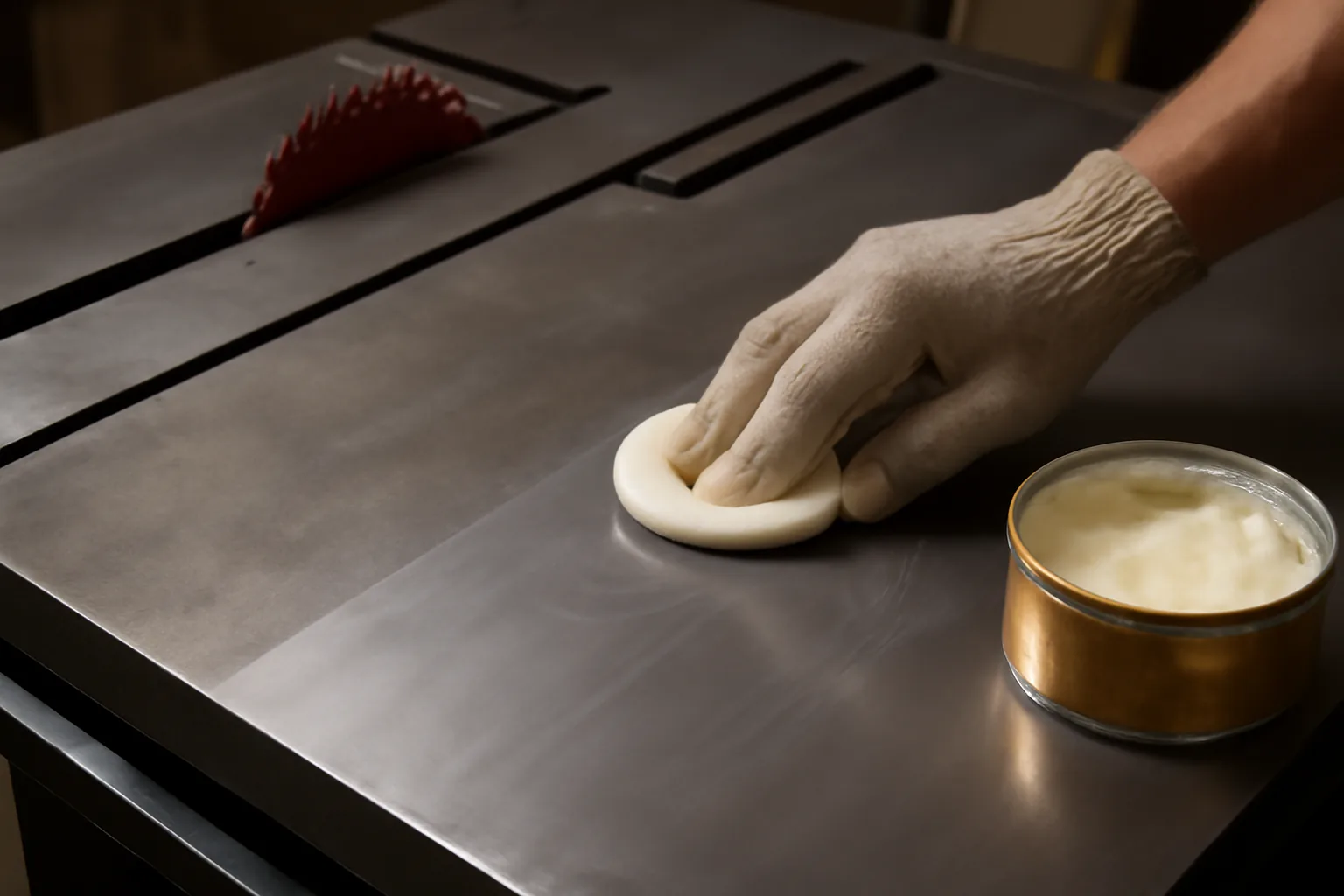
A simple wipe-down addresses immediate surface grime, but without a durable protective layer, moisture creeps back in within a week or two—particularly in a garage environment where humidity fluctuates unpredictably. You require a product capable of adhering to the metal substrate and deflecting moisture, not merely sitting on the surface like conventional cutting oil does.
The advantages
- Hardens into a protective layer instead of staying wet; this prevents the accumulation of airborne particles and keeps your equipment usable without attracting fingerprint smudges and shop debris the way liquid oil residue does.
- Withstands environmental pressure through seasonal shifts and moisture fluctuations; I’ve gone extended periods without reapplication on frequently accessed surfaces and encountered absolutely no corrosion development.
- Has an industrial-grade odor profile that isn’t unpleasant, plus a single 12 oz container treats extensive surface area—I’ve consumed one bottle across roughly 24 months maintaining multiple saws and a precision layout plate.
The disadvantages
- Higher per-application expense, and inconsistent reapplication on equipment you use infrequently results in rust regardless—this requires discipline, not a one-time treatment.
- The pressurized aerosol format offers convenience but reduced accuracy; the liquid form in a bottle grants significantly better application precision, particularly in a cramped shop where overspray matters.
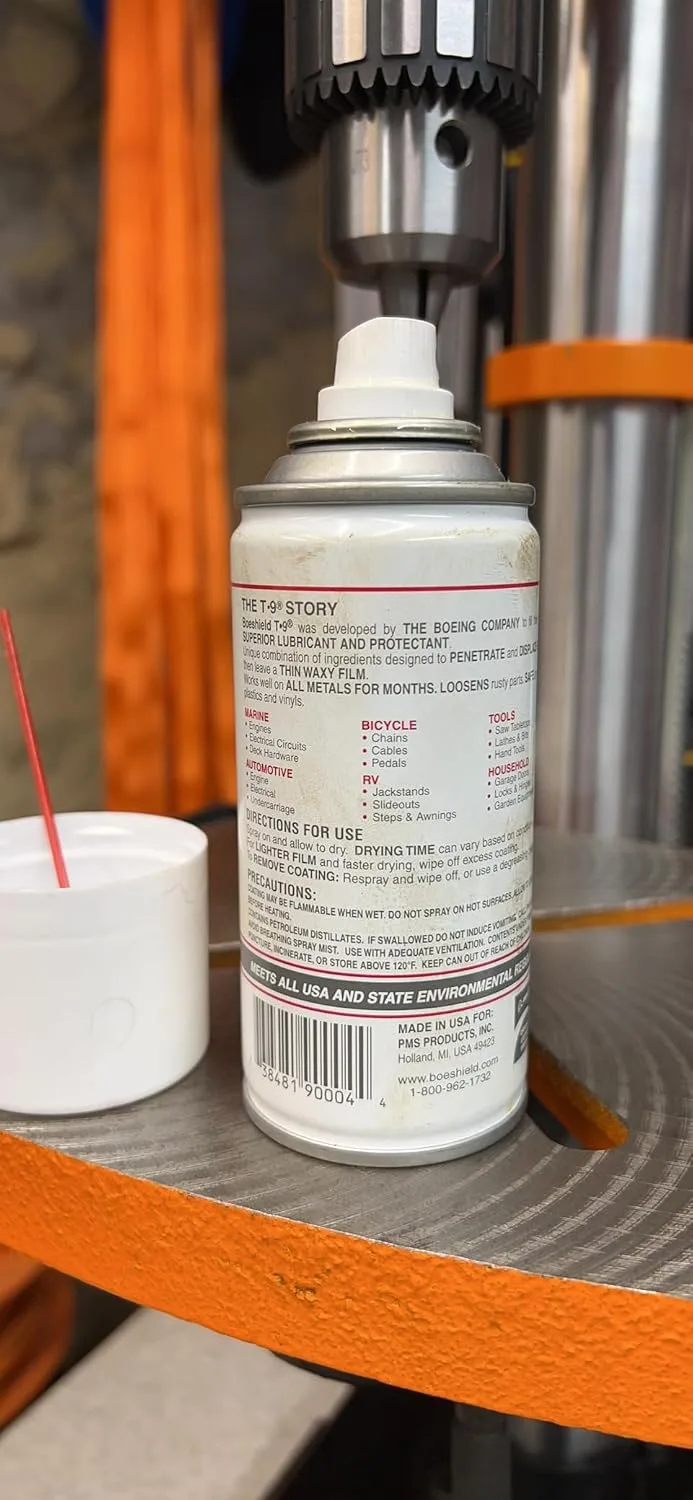
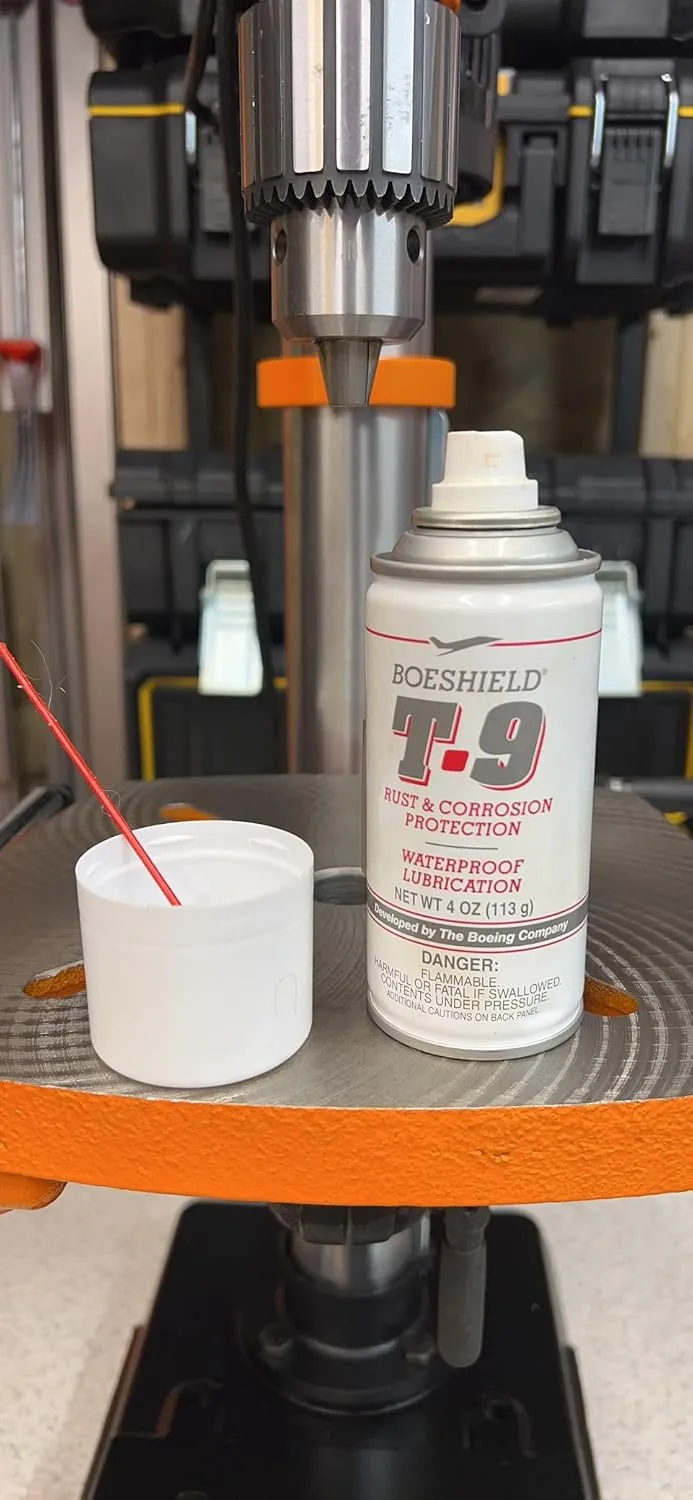
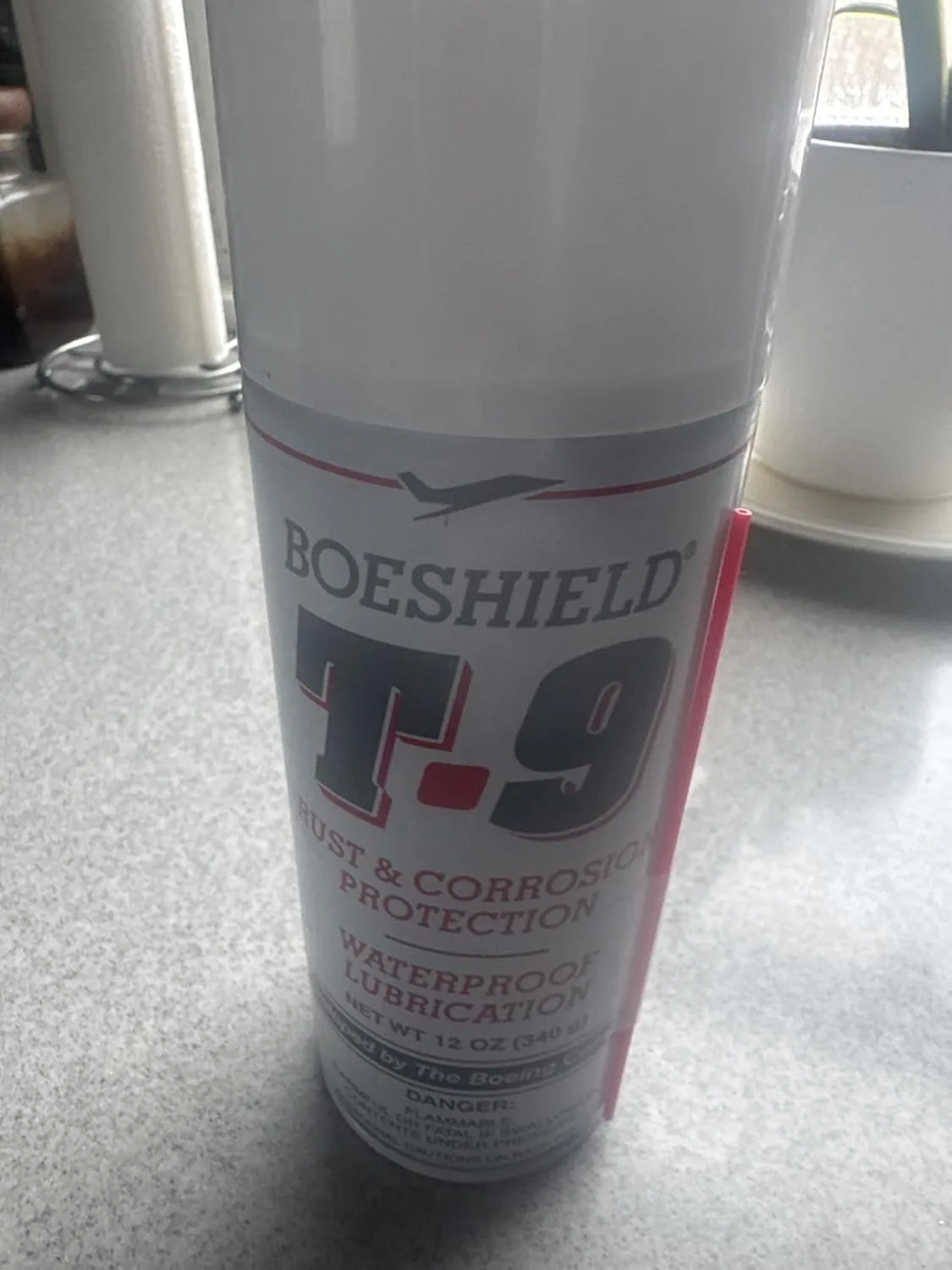
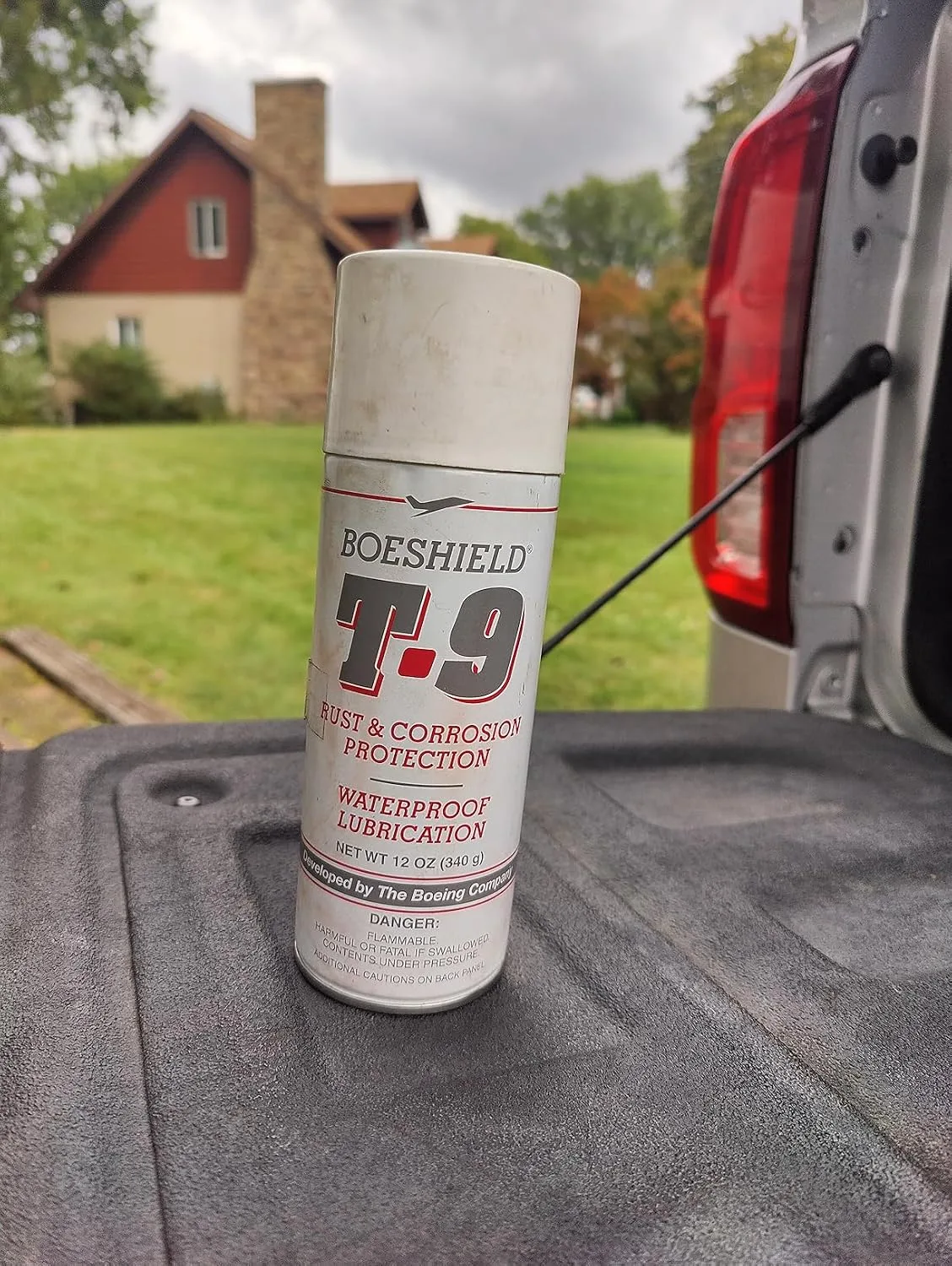
I almost gave up on cast-iron top maintenance after that Delta restoration disaster, thinking maybe I’d just accept the orange streaks as part of owning old steel. Then I actually committed to a routine with BOESHIELD T-9 Rust & Corrosion Protection/Inhibitor and Waterproof Lubrication, 12 oz. and stopped making excuses.
Frequently Asked Questions
Can I use a power grinder to clean rust off cast iron table tops?
No. Rotating abrasive discs remove material too aggressively—I accidentally removed 0.008 inches from a Powermatic saw edge, throwing off the fence alignment and requiring $180 in professional resurfacing. Use hand methods with Scotch-Brite pads or abrasive paper moistened with mineral spirits instead.
How often should I reapply BOESHIELD T-9 to my cast iron?
I’ve gone extended periods—even weeks on frequently used surfaces—without reapplication and encountered zero corrosion. One 12 oz bottle treats extensive surface area across roughly 24 months maintaining multiple saws and a precision layout plate, but infrequently used equipment requires more discipline to prevent rust.
Should I use rust converter before applying rust inhibitor?
No. Rust converter products deposit a protective layer that blocks adhesion of rust-inhibitor products like BOESHIELD T-9. Reserve converters for auxiliary surfaces like cast body panels and rough stock, not precision-machined tops.
What grit should I use to clean light surface rust?
Start with a Scotch-Brite 7447 maroon pad (ultra-fine grade, comparable to 400-grit) paired with mineral spirits using circular then lengthwise strokes. For deeper pitting and thick oxide buildup, progress to a Scotch-Brite 7446 gray pad or 220-grit abrasive paper moistened with mineral spirits.
Sources and further reading
About This Article

Written by Garrett Dunn. Hobbyist metalworker and garage workshop builder. I restore old tools, weld custom furniture, and document my projects and mistakes so other makers can learn from both. More about this site.
Scope and limits. Garrett is a hobbyist metalworker, not a certified welder or machinist. Welding, grinding, and solvent work carry real injury risk — use the correct PPE and ventilation, and follow the manufacturer safety guidance for your own equipment.
Verify this against a primary source
Specifics change, and your situation may differ from the one described here. These are the authorities worth checking directly:
- OSHA — machine guarding, PPE and shop safety standards
- American Welding Society — welding procedure and safety standards