
Most garage owners assume bigger motors and more amps automatically mean better tools, but my actual usage pattern over a dozen years tells a different story. The grinder I reach for daily weighs significantly less than the one collecting dust, and that weight difference has become the most important spec on either tool.
I’m Garrett Dunn. My work centers on restoring vintage hand tools, custom welding projects, and general fabrication—all happening inside a two-car garage setup that my wife diplomatically describes as “controlled disorder.” This comparison comes straight from my workbench, not from marketing materials or reviewers who don’t live with these tools every day. One grinder made it onto my pegboard. The other one got relegated to storage. The reasons why matter.
Finding the Right Grinder for Jobs That Demand Precision Without Fatigue
Grinding isn’t always about maximum output—sometimes it’s about maintaining control while you’re angled awkwardly against a frame or holding your position for several minutes straight. A tool that’s too cumbersome or a grinder that generates unpredictable kickback becomes a liability rather than an asset.
Strengths on the workbench
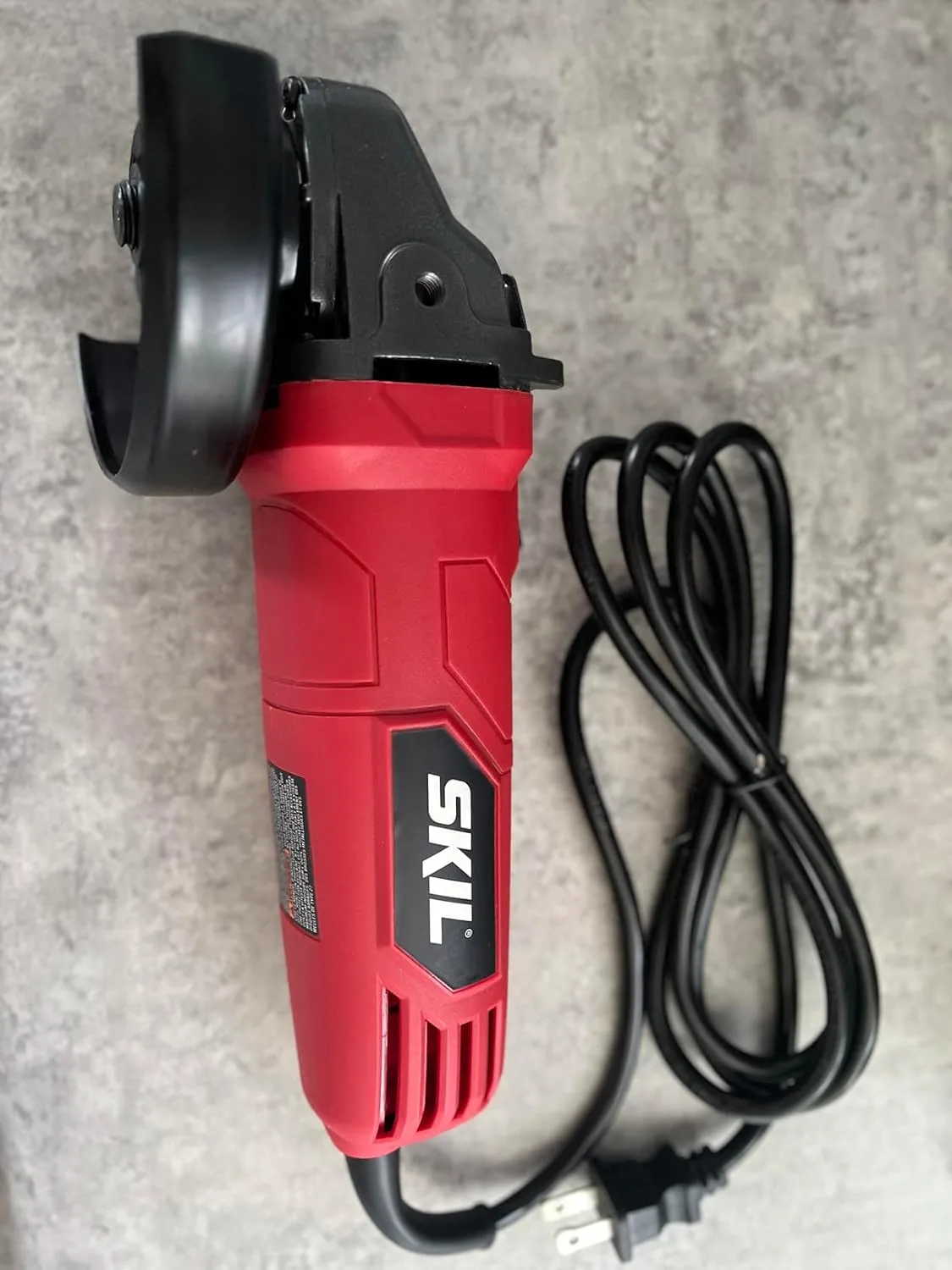
- Remains locked in your palm without inducing arm strain, with manageable vibration even through prolonged grinding sessions
- Six amps delivers sufficient cutting authority to power through rust accumulation and clean metal stock without hesitation or power fade
- Landing under sixty dollars means equipment replacement won’t devastate your budget if it gets damaged, dropped, or left somewhere humid
Areas where compromises show
- The protective guard exhibits some flex and doesn’t clamp down with complete confidence during accessory swaps
- Power cord tends toward kinking and runs shorter than ideal, forcing you to reposition your extension setup repeatedly during a session
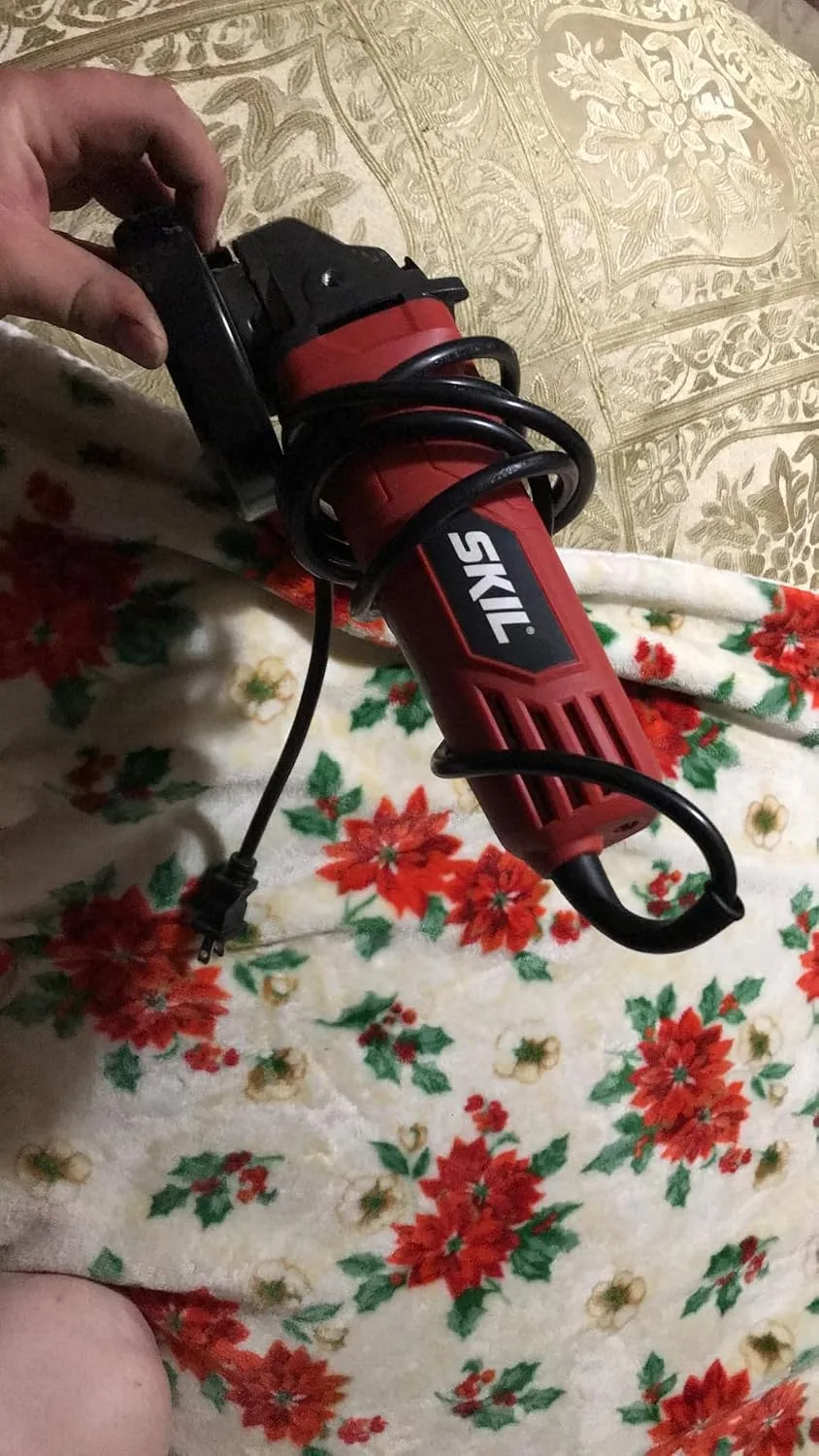
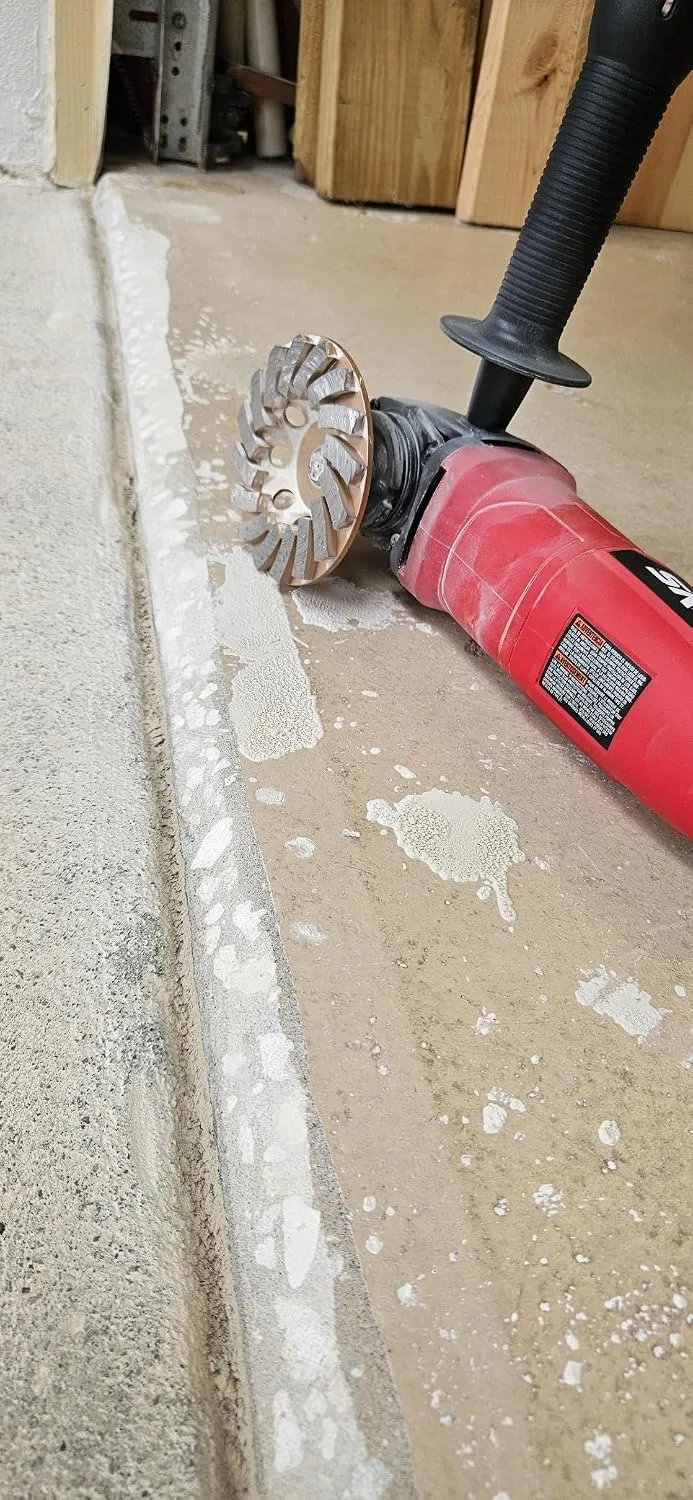
I once grabbed a bigger, fancier grinder for a restoration job and had it binding up on old painted metal within the first hour—my wrist knew I’d picked wrong almost immediately. The SKIL 9295-01 6.0 Amp 4-1/2-Inch Angle Grinder has earned its place as the one I actually grab first.
Why the DEWALT Never Became My Daily Reach
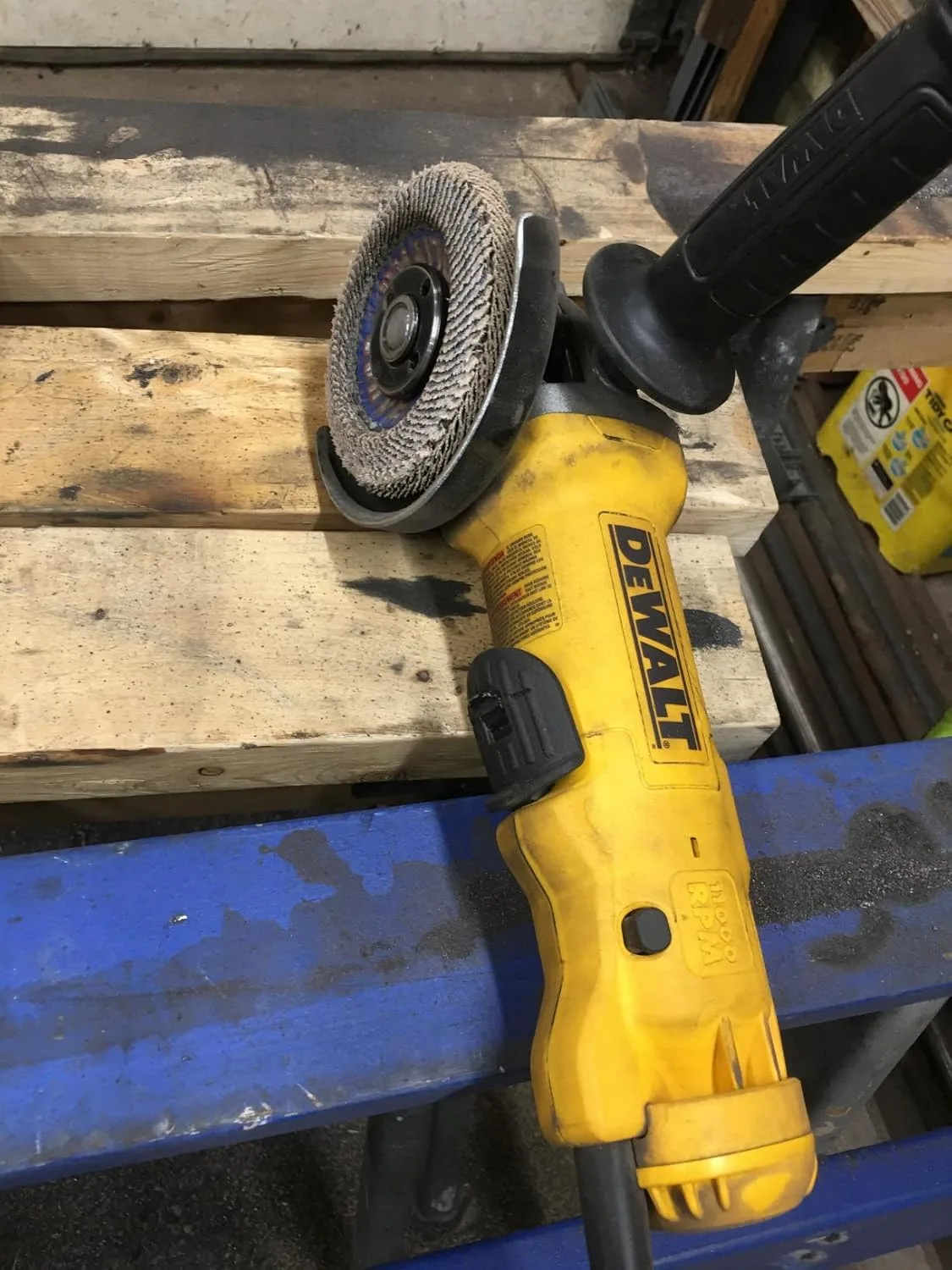
The DEWALT 4-1/2-inch grinder with its 11-amp motor looked like it should replace the SKIL entirely when I unwrapped it. Increased amperage, trigger lock, established brand reputation—the specifications aligned perfectly with “better” in theory. Reality proved far less compelling once I started incorporating it into my actual workflow, relegating it to specialized jobs that might happen monthly or seasonal maintenance tasks.
Where the theory breaks down is in the rhythm of my actual grinding needs. Most sessions involve quick operations—stripping oxidation from fasteners, smoothing down welds, cutting bolts to length. Under those conditions, the DEWALT’s heft and size transform from strengths into obstacles. I consistently choose the lighter model instead, and the DEWALT migrates back to storage until a particular task demands its capabilities.
Advantages in practice
- Eleven amps provides substantial reserve power through demanding applications—dense materials and extended wire-brush work don’t cause motor strain or performance degradation
- The paddle-lock feature genuinely simplifies extended operations, eliminating finger fatigue when maintaining pressure over multiple minutes
- Build quality telegraphs through the entire unit—this tool projects durability and doesn’t have the plasticky feel of budget-market equipment
Practical limitations in the shop
- The added mass and footprint create handling challenges—particularly noticeable for swift touch-up tasks where portability trumps power reserves
- Wheel rotation persists after power cutoff—there’s no instant-stop mechanism, requiring an adjustment period if you’re transitioning from immediate-halt models
- The price point sits substantially higher, amplifying the disappointment whenever it remains sitting idle rather than earning its position in the lineup
The DEWALT represents solid engineering and genuine capability—I’m not questioning the grinder itself. My mistake was purchasing maximum specifications before establishing my actual usage distribution. For somebody running heavy-duty grinding operations or sustained metal fabrication, that extra power justifies the investment completely. My particular situation simply didn’t align with those requirements, despite what I initially imagined during the buying process.
Where Each Grinder Actually Earns Its Place
Reach-for-it frequency is the honest test, and it is not the same as which one is objectively better. Here is how the two split up in my shop once the novelty wore off.
| Job | Which one I grab | Why |
|---|---|---|
| Cutting 1/8 in flat bar | SKIL | Lighter; I can hold it steady one-handed for a clean line |
| Grinding weld beads flat | DEWALT | More torque under load, does not bog in the cut |
| Wire-wheeling rust off a vise | SKIL | Long sessions; the weight difference is what my wrist notices |
| Cutting rebar or thick stock | DEWALT | Sustained load is exactly where the cheaper motor fades |
| Flap-disc finishing | SKIL | Better control at the edge, less chance of gouging |
| Overhead work | SKIL | Anything you hold above your head, lighter wins outright |
The specification that actually matters
Amperage is the number on the box, but the number that predicts real behaviour is how the tool holds RPM under load. A grinder that drops from 11,000 to 6,000 RPM the moment the disc bites will make you press harder, which is precisely how discs shatter and how you lose control of the cut. The DEWALT holds its speed noticeably better. That is the whole difference, and it only shows up in sustained cutting, not in a showroom.
Safety, since this is the tool most likely to hurt you
- Never remove the guard. The overwhelming majority of angle grinder injuries involve a removed guard.
- Match the disc’s rated RPM to the tool — a disc rated below the grinder’s speed can come apart.
- Let the tool reach full speed before it touches the work, and let it stop on its own after.
- Full face shield, not just safety glasses. Sparks and fragments do not respect a lens edge.
- Check discs for hairline cracks before mounting. A cracked disc at 11,000 RPM is a projectile.
Which I would buy again
Both, honestly, and that is the useful answer. If I could only keep one it would be the DEWALT, because the jobs it does better are the jobs where failure is expensive. But the SKIL is the one that is warm at the end of a session, because light tools get used and heavy ones get left on the shelf.
Frequently Asked Questions
What RPM should an angle grinder disc be rated for?
Match the disc’s rated RPM to the grinder’s speed—a disc rated below the grinder’s speed can come apart during use. The SKIL runs at 11,000 RPM and the DEWALT also maintains around 11,000 RPM under load, so verify your specific disc is rated for your tool before mounting it.
Is the SKIL 9295-01 good for wire wheel rust removal?
Yes, the SKIL 9295-01 works well for wire-wheeling rust off metal because its lighter weight reduces fatigue during long sessions. The 6.0 amp motor delivers sufficient power for rust accumulation without motor fade, though the DEWALT’s 11 amps handles extended wire-brush work without strain if sustained load is your priority.
Can you use one hand on a 4-1/2 inch angle grinder?
The SKIL 9295-01 is light enough for one-handed control on awkward overhead cuts, though you should always follow your grinder’s manual guidance. For sustained cutting or heavy load work, two-handed control is safer and more stable regardless of the tool’s weight.
What should I wear when using an angle grinder?
Wear a full face shield over safety glasses, not one instead of the other. When cutting stone, tile, or grinding old painted metal, use a particulate-rated respirator to protect against respirable silica and lead dust. Always wear appropriate PPE and follow your tool’s safety guidance.
Sources and further reading
About This Article

Written by Garrett Dunn. Hobbyist metalworker and garage workshop builder. I restore old tools, weld custom furniture, and document my projects and mistakes so other makers can learn from both. More about this site.
Scope and limits. Garrett is a hobbyist metalworker, not a certified welder or machinist. Welding, grinding, and solvent work carry real injury risk — use the correct PPE and ventilation, and follow the manufacturer safety guidance for your own equipment.
Verify this against a primary source
Specifics change, and your situation may differ from the one described here. These are the authorities worth checking directly:
- OSHA — machine guarding, PPE and shop safety standards
- American Welding Society — welding procedure and safety standards